A.I. ‘ s analysis is given below
…………………………………………………………………
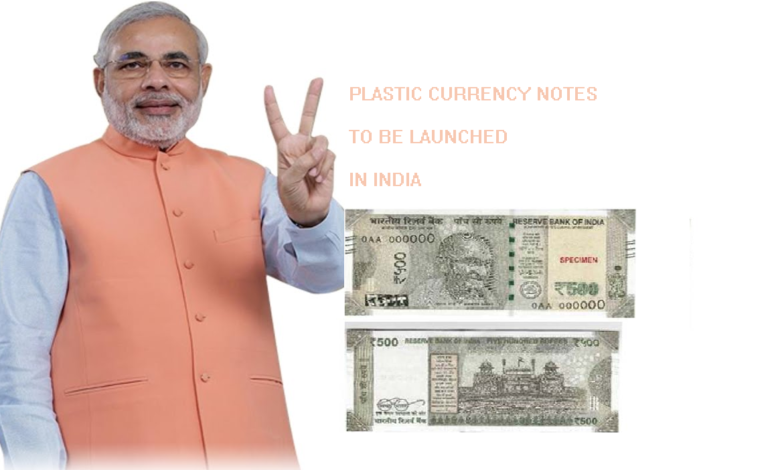
Electric Vehicles (EVs) are the mechanical vehicles of our future; every person in today’s time knows and understands this well. But after Prime Minister Narendra Modi’s recent call to adopt EVs, will the sale of ICE, i.e., traditional petrol, diesel, and CNG cars, stop in the country? This is a question that is resonating loudly among everyone from car buyers to the automobile industry nowadays and is forcing everyone to think.
In fact, after the tension created in the Middle East, a severe oil crisis situation has arisen once again across the world. Due to this global crisis, India’s foreign exchange reserves have also been significantly affected. India, our country with the largest population in the world, is highly dependent on oil imports (crude oil imports), and according to experts, if the situation remains like this, serious consequences may be seen in the coming days.
Situation changed with time, prices increased 3 times in 10 days
…………………………………………………………………
The direct impact of this ongoing global crisis has been seen on the pockets of the common people within just 10 days. In the last 10 days alone, the prices of petrol, diesel, and CNG have been increased 3 times. At present, the countrymen are getting petrol and diesel costlier by about 5 rupees and CNG by up to 4 rupees. This rising price of fuel is forcing customers who have decided to buy a new car to think deeply about whether they should buy petrol-diesel or CNG cars or move directly towards electric cars (EVs).
However, the difficulty is also that there is still a lot of uncertainty in people’s minds regarding the range and resale of EVs, which is not letting them come out of that doubt. According to experts, in such a situation, Prime Minister Modi’s emotional appeal to adopt EVs may not have any magical effect on customers immediately, and no major brake is going to be applied to the speed of hybrid cars along with petrol, diesel, and CNG for now.
Rising oil prices disturbed sleep – Customers’ mood changed
…………………………………………………………………
It is absolutely clear that today’s car buyer has become many times more intelligent and sensitive than before. After this unreasonable increase in fuel prices in the recent past, the decision of the customer has been affected to a great extent. In fact, our auto market is going through a multi-fuel transition at this time. Prime Minister Modi’s constant appeals and the skyrocketing prices of fuel have brought a big surge in inquiries and bookings for electric vehicles in showrooms, but whether this booking will actually turn into deliveries in the coming days and whether the vehicles will be seen running on the road is still a big question.
Looking at the trend of the market, families who already have one petrol, diesel, or CNG car are now giving top priority to EVs as their second car. Still, for those who are buying their first or only car, CNG and hybrid vehicles are still the best alternatives to petrol-diesel. Looking at the latest data, the share of CNG vehicles in the Indian passenger vehicle market has reached a record level of about 24 percent, while petrol cars are still at the forefront in terms of sales.
Finally, what options does the customer have and what is the path ahead?
…………………………………………………………………
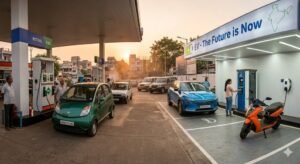
The biggest question currently arising is, what will the common customer finally do in such an environment? The clear opinion of experts is that before creating a powerful environment for EVs in the country, it is extremely important to have strong EV charging infrastructure and bring budget-friendly electric car options to the market. Indian customers always like to buy ‘value for money’ things.
However, this repeated big shock in oil prices has certainly brought a big change in the behavior of customers.
Now a common middle-class customer does not just look at the showroom price of a car, but also calculates the entire running cost. In such a situation, the very low running cost of EVs has started attracting customers towards it. As the network of charging stations spreads across the country and the price of batteries decreases, it is definitely assumed that people’s inclination towards electric vehicles will increase at a faster pace in the coming days.
Analysis –
The analysis of the Prime Minister’s call and the current market situation is given below:
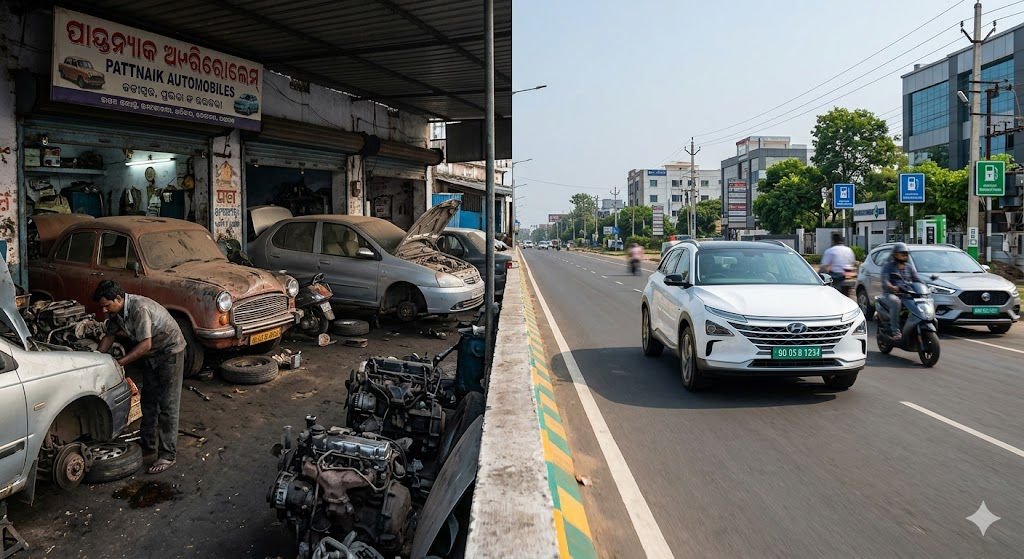
. Short-term vs. Long-term change – The Prime Minister’s call is based on a long-term vision. Since India is an oil-importing country, moving towards EVs is a mandatory step to strengthen the economy. However, this will not stop the sale of petrol/diesel vehicles overnight. This is a transition phase.
Customer mindset and reality – Indian customers attach more importance to practicality and convenience. As long as there is ‘range anxiety’ (fear of the vehicle stopping on the way) and a lack of charging infrastructure, people will choose hybrid and CNG vehicles as a safe alternative.
Economic impact – The increase in petrol and diesel prices is definitely pushing customers towards EVs gradually. This is not just an environment-friendly move, but since it is ‘pocket-friendly’, the middle class is accepting it with interest.
Conclusion: The government’s call is an indicator that the future belongs to EVs. Although ICE vehicles have dominated the market today, the sale of traditional vehicles will automatically decrease as soon as the EV infrastructure strengthens in the next 5-10 years. Therefore, this is not an obstacle, but a natural change in the market.