Analysis is given below
•••••••••••••••••••••••••••••••••••••••••••••
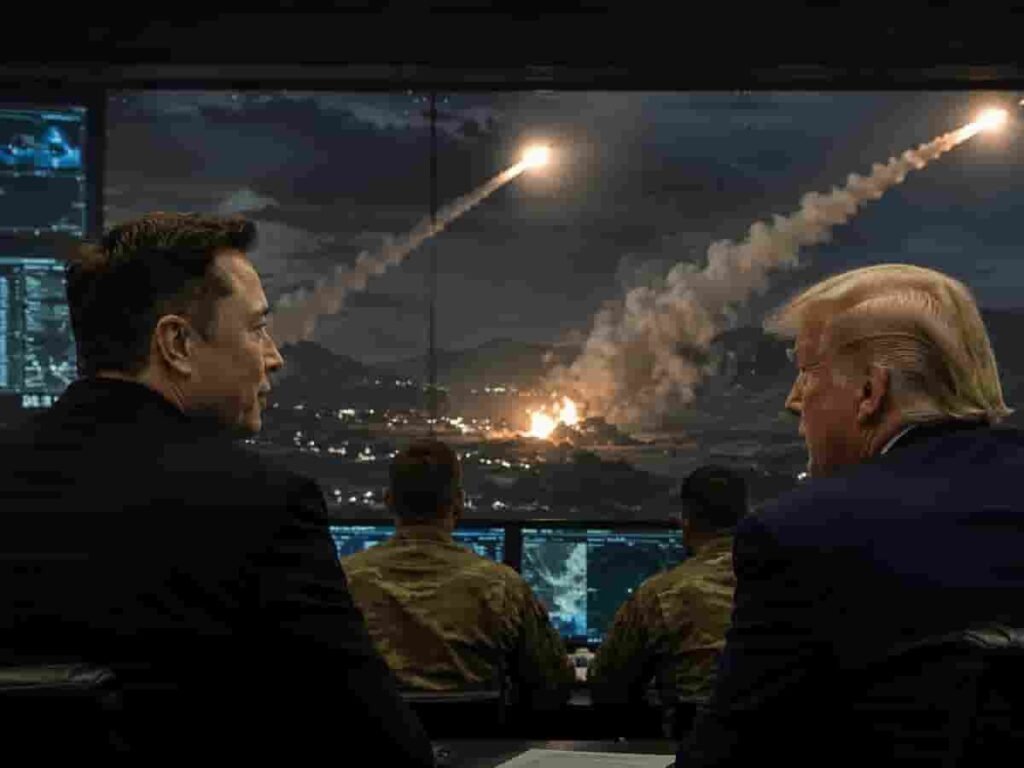
The use of Artificial Intelligence (AI) is no longer limited to writing essays or creating images; it has become the most dangerous weapon of modern warfare. The administration of US President Donald Trump has made a sensational disclosure regarding the Iran war, which has caused a stir among security agencies and the tech world globally. According to a recent report by ‘The Independent’, the US military (Pentagon) has used Elon Musk’s popular AI chatbot ‘Grok’ to lock onto precise targets and fire thousands of missiles during military operations against Iran. This is the first time in history that the US government has officially and publicly acknowledged that it is taking direct assistance from Elon Musk’s technology on the battlefield.
••••••••••••
This shocking truth emerged when a top Pentagon defense official filed an affidavit and presented arguments during a lawsuit against Musk’s company, xAI, in a US court.
••••••
US military defends Musk in pollution case, reveals ‘Grok’s’ top-secret mission
••••••••••••••••••••••••••••••••••••••••••••••••••••••••••••••••••••••••••
Actually, a legal case is ongoing in a US court against Elon Musk’s AI company, xAI, regarding serious allegations of causing environmental damage and pollution. While strongly defending Musk’s company in this matter, a top Pentagon official submitted an official affidavit in court.
••••••
Pentagon’s Chief Digital and Artificial Intelligence Officer, Cameron Stanley, clearly stated in the court filing that the 24/7 uninterrupted operation of this chatbot (Grok) is directly related to America’s national security. He informed the court that during a recent military operation, the same Grok AI was used to fire missiles and set precise targeting for over 2,000 different intelligence targets in Iran within just 96 hours.
••••••
Elon Musk’s 4 secret AI models designed especially for US security agencies
••••••••••••••••••••••••••••••••••••••••••••••••••••••••••••••••••••••••
According to the Pentagon official, xAI’s generative AI chatbot ‘Grok’ is among the four select AI models capable of handling the highly confidential and sensitive needs of US national security. Cameron Stanley told the court that the Pentagon is currently fully dependent on some of xAI’s very special and secret models. These modules are specifically coded and designed keeping in mind the tactical strategies of the US military and intelligence agencies, which scour the enemy’s target database in the blink of an eye.
•••••• Links to the attack on the school in the Iranian city of Minab; questions raised on the death of 150 innocent children
••••••••••••••••••••••••••••••••••••••••••••••••••••••••••••••••••••••••
America’s admission has come at a delicate time when there is huge international outcry over a devastating US attack on a school in Iran. According to reports, at least 150 innocent children were tragically killed in a fierce bombardment by the US Air Force on a girls’ school in the Iranian city of Minab. Since this massacre, global human rights organizations have started raising tough questions about the indiscriminate use of AI systems in military operations. Many defense analysts strongly believe that a technical flaw or wrong input in this Pentagon AI-driven targeting was responsible for the destruction of this school, which dug the graves of the innocent.
••••••
From Israel to America, the bloody game of AI is spreading rapidly in modern wars
••••••••••••••••••••••••••••••••••••••••••••••••••••••••••••••••••••••••
America is not the only country in the world to use artificial intelligence in military operations and intelligence strategies. Today, superpowers around the world are relying on AI tools for gathering intelligence, espionage, and automatically tracking potential targets in the battlefield. Previously, the Israeli army (IDF) also admitted to using AI software on a large scale to pinpoint Hamas commanders and hostages in the Gaza Strip. The militarization of this technology has now created a major crisis regarding the existence of human judgment and the rules of war.
••••••
Analysis
……………………
The integration of commercial generative AI into high-stakes military operations represents a paradigm shift in modern warfare. The recent disclosures in US court filings confirm that the Pentagon is leveraging “Grok Gov” (a government-specific version of xAI’s model) within its Project Maven frameworks.
1. The Strategic Shift: Speed vs. Accountability
The primary motivation for adopting AI in warfare is the dramatic increase in “operational efficiency.” The ability to process vast amounts of intelligence data and strike thousands of targets within a 96-hour window suggests that the human-in-the-loop process is being significantly accelerated, if not partially automated. While militaries argue that AI enhances precision, this acceleration raises existential questions about accountability. If an AI system—trained on massive, proprietary datasets—provides a flawed recommendation that leads to civilian casualties (such as the reported incident in Minab), the line between “technical error” and “war crime” becomes dangerously blurred.
2. Private Tech Influence on National Security
The reliance on commercial entities like xAI, following the termination of partnerships with companies like Anthropic, signals a move toward a more “military-friendly” AI ecosystem. When private tech companies become fundamental to national defense, it changes the nature of corporate governance. As seen in the court filing defending xAI’s data centers against environmental regulations, the US government is now treating AI infrastructure as “foundational” to national security, effectively giving these facilities the same priority status as ammunition factories.
3. The Crisis of Ethics and Regulation
The deployment of these models raises two major concerns:
Algorithmic Bias and Hallucination: Generative AI models are known to “hallucinate” or make errors. In a civilian context, this leads to misinformation; in a military context, it leads to the loss of life. The challenge is that these proprietary “black-box” models are often not transparent enough for independent oversight.
Global Arms Race: As the report notes, the US, Israel, and other powers are all engaging in this AI-driven arms race. This creates a “security dilemma” where nations feel compelled to adopt autonomous targeting capabilities to keep pace with adversaries, often sacrificing safety protocols and moral frameworks in the process.
Conclusion
The admission regarding the use of Grok signifies that the battlefield is becoming increasingly algorithmic. While proponents argue that AI can limit “collateral damage” through superior analysis, incidents like the one in Minab suggest that the technology—and the decision-makers behind it—are currently ill-equipped to handle the consequences of errors at such a massive, automated scale. The international community is now forced to grapple with the reality that AI is no longer just a tool for productivity, but an active participant in kinetic conflict.
About the Author