( An AI’ s analysis is given below)
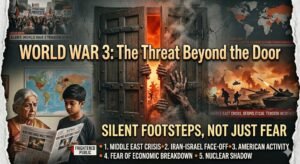
There are growing fears that the world is slowly moving toward World War III. Experts have expressed deep concern that the Middle East crisis might expand further, as this war is not only affecting Iran but is engulfing many other nations in its flames.
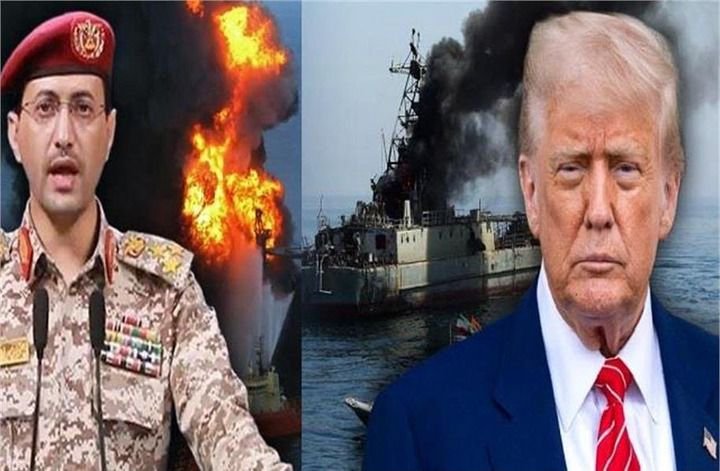
The war in the Middle East is at its peak. Neither is Israel ready to step back, nor is Iran willing to admit defeat. U.S. President Trump has already signaled a major attack on Iran within the next 2-3 weeks. Consequently, peace experts worldwide are worried that the scope of this regional war could broaden. Apart from Iran, Israel, and the U.S., countries like the UAE, Iraq, Bahrain, Kuwait, Saudi Arabia, Oman, Azerbaijan, the West Bank, Cyprus, Syria, Qatar, and Lebanon are involved in various capacities. Joe Maiolo, a Professor of International History at King’s College London, states that a World War occurs when all the major global powers become involved.
Why is there a fear of the World War taking a terrifying form?
Margaret MacMillan, Professor Emeritus of International History at the University of Oxford, expressed fears of the beginning of World War III on the BBC’s Global Story podcast. MacMillan notes that the First World War happened primarily due to misunderstandings among opponents about each other. The assassination of Archduke Franz Ferdinand, nephew of Emperor Franz Joseph of Austria-Hungary, in 1914 triggered the events that started World War I. These events dragged all of Europe into the conflict. Germany supported Austria, and Russia supported Serbia. France joined Russia, and Britain entered the war in the name of “honour and strategy,” leading to global devastation.
How will the danger of World War III escalate?
Professor MacMillan says that the catalyst for the expansion of World War III could be Iran and its allies, such as the Houthi rebels in Yemen. Iranian actions, such as closing the Strait of Hormuz or attacking maritime vessels, could impact the global economy. If energy supplies are disrupted, major nations will face severe difficulties. Since the U.S. is already a part of the conflict, if other superpowers join in, an increase in tension and the scope of the conflict is certain. Similarly, tensions in the Middle East could trigger escalations in other parts of the world. For instance, China might take steps against Taiwan, or Russia could intensify its attack on Ukraine, as those who could stop them are already preoccupied elsewhere.
The role of leaders in the beginning of a World War?
MacMillan states that wars often begin due to ego, a sense of seeking honor, or fear of opponents. Looking at history and making assessments, global leaders and events can determine the direction of a war. For example, in World War I, when massive losses occurred and many people died, leaders decided that the war must continue to achieve victory. Similarly, when Putin attacked Ukraine four years ago, he stated the goal was the demilitarization and de-nazification of Ukraine; however, even after four years, he maintains that his military objectives in Ukraine have not yet been met. Leaders who refuse to accept failure or step back tend to prolong the war, much like leaders like Adolf Hitler, who continued fighting even after defeat was certain.
What is the way to reduce tension in the Middle East?
MacMillan emphasizes that diplomacy is extremely crucial to reducing tensions in the Middle East. Even while fighting on the battlefield, dialogue must continue with the other side, and communication channels should remain open. During the Cold War, dialogue was maintained among all parties through NATO, which eventually led to the end of the Cold War. Currently, the situation remains highly volatile, which international organizations must work to calm. When major powers are involved in a war, the availability of nuclear weapons is always a significant factor in the policy of de-escalation. Israel, the U.S., and Iran must realize that they have reached the limits of their success. If the war continues, no one will achieve the desired results. Only through mediation can the war in the Middle East be stopped.
The Threat of World War III: A Deep Analysis
An observation of the current global situation reveals that we are passing through an extremely unstable period. Based on this news, the key aspects of the analysis are:
1. Global Transformation of Regional Conflicts
Although the current wars seem limited to specific regions like the Middle East or Ukraine, the powers involved (USA, Russia, Iran) are major global players. When superpowers clash directly or indirectly, it creates a ‘Domino Effect,’ meaning the fire in one place can easily spread to another.
2. Economic Warfare
World War III will not be fought with bombs and bullets alone; it will also cripple economies. Closing vital waterways like the ‘Strait of Hormuz’ will lead to a global oil crisis, which will be expensive even for developing countries like India. This will increase internal discontent within nations, providing more fuel for war.
3. Failure of Diplomacy and Leadership Stubbornness
Professor MacMillan’s argument is valid: ego prolongs war. Current world leaders are prioritizing ‘displays of power’ over ‘peace.’ The declining influence of organizations like the United Nations is a major concern. When no one remains strong enough to mediate, the language of the gun becomes the final option.
4. Challenges for India
This situation is a major test for India. India has significant interests in the Middle East, where millions of Indians reside, and we rely on the region for energy supplies. If a World War situation arises, India will have to protect itself through its balanced foreign policy while also playing a role in establishing peace.
5. Nuclear Fear and Humanity
Finally, World War III means the destruction of human civilization. In today’s age, nuclear weapons are not just for intimidation but are a realistic threat. If someone presses the button due to the slightest misunderstanding, victory or defeat will lose all meaning.
The world is currently sitting on a burning powder keg. If ‘dialogue’ does not begin immediately at the international level, history will repeat itself, and the consequences will be beyond our imagination.
About the Author