( An AI’ s analysis is given below)
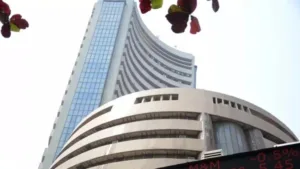
The Indian stock market is currently going through a phase of volatility, with the primary reason being record-level selling by foreign investors. In the month of March, Foreign Portfolio Investors (FPIs) sold shares worth nearly ₹1 lakh crore, which altered the direction of the market. Such a massive withdrawal indicates that global investors currently want to reduce risk in the Indian market. The outflow of approximately $11 billion in March 2026 is a clear sign that investor confidence has weakened to some extent.
The most significant reason behind this sell-off is the economic situation in the United States. Rising bond yields there have started providing investors with safer and better returns. Consequently, they are moving money out of emerging markets toward developed economies. On the other hand, the weakness of the Indian Rupee has further complicated the situation. When the Rupee weakens, foreign investors receive lower returns on their investments in dollar terms. A nearly 4 percent decline in the Rupee during March intensified this pressure.
Crude oil prices also remain a cause for concern. Due to ongoing tensions in the Middle East, oil prices have stayed at elevated levels. This impacts India’s economy, raising the risk of increased inflation. Additionally, there is lingering uncertainty regarding corporate profits. Experts have lowered earnings estimates, which has shaken investor confidence. Although valuations have become cheaper compared to before following the market decline, foreign investors are nonetheless maintaining their distance for now. This indicates that further fluctuations may be seen in the market in the coming times.
Analysis – Impact on India’s Economy
……………………………………………………
The heavy sell-off by foreign investors and the rise in oil prices could have a profound impact on the Indian economy:
Rising Inflation: India imports more than 85% of its crude oil requirements. With expensive oil and a weakening Rupee, the threat of “Imported Inflation” has increased, which could lead to a rise in the prices of transportation and daily essential goods.
Current Account Deficit (CAD)- Due to heavy sell-offs and expensive oil imports, the demand for the Dollar is increasing, which is affecting India’s Foreign Exchange Reserves (Forex Reserves) and is likely to increase the ‘Current Account Deficit’.
Slowdown in Growth Rate (GDP): If the RBI increases interest rates to control high inflation, it will make loans more expensive and could slow down the pace of economic growth. Institutions like Goldman Sachs have already signaled cuts in growth estimates for 2026.
Increase in Cost of Capital:
The decline in the stock market will make it more expensive and difficult for Indian companies to raise new funds through equity.
About the Author