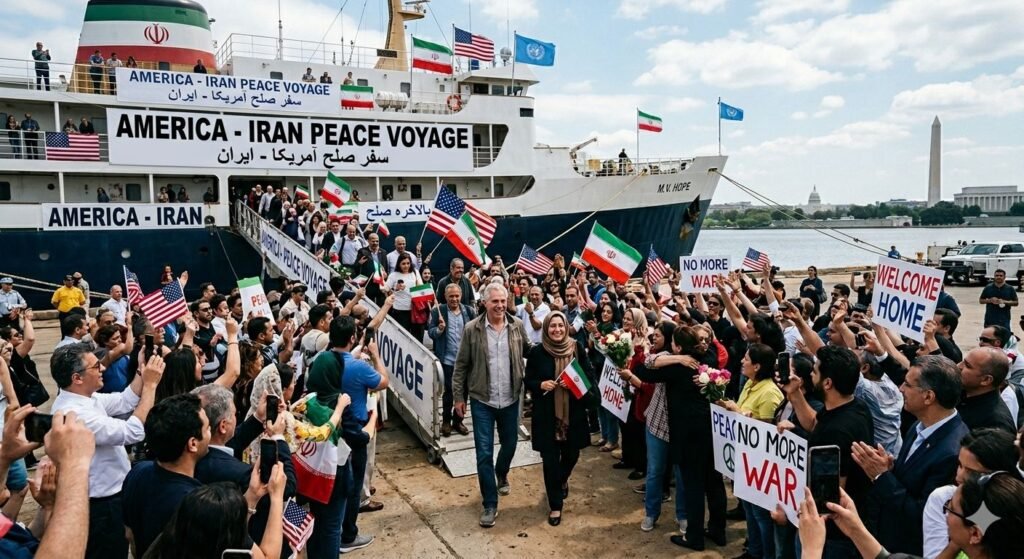
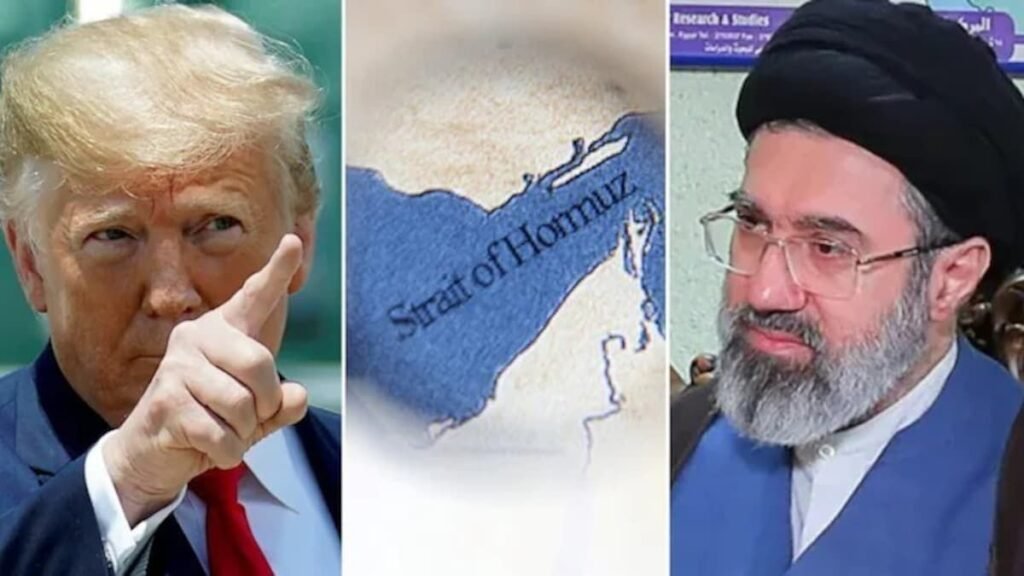
Highlights – 100 days after the conflict began, an agreement has been reached between the United States and Iran. This has paved the way for a ceasefire, the lifting of sanctions, and further discussions regarding nuclear control.
……………………………………………………………………………………….
US-Iran Deal Confirmed
……………………………………………………………………………………….
US President Donald Trump has announced that an agreement with Iran will be signed this Friday. This announcement follows several statements made this week that signaled a ceasefire agreement after more than 100 days of war. Tehran has also confirmed this announcement, stating that the war will be declared over on Monday. This conflict began on February 28 following a US-Israel attack on Iran.
The deal will be signed on 19th June in Switzerland
……………………………………………………………………………………….
President Trump confirmed the news in a post on ‘Truth Social,’ writing, “The deal with the Islamic Republic of Iran is now complete.”
……………………………………………………………………………………….
Prior to this, Trump had told ‘The Washington Post’ that he was planning to announce a US-Iran agreement soon.
……………………………………………………………………………………….
What is in it for Iran ?
……………………………………………………………………………………….
1- Sanctions on oil and petrochemicals will be lifted.
……………………………………………………………………………………….
2- Access to financial resources will be restored.
……………………………………………………………………………………….
3- $24 billion in frozen funds will be released.
……………………………………………………………………………………….
4- Reconstruction projects worth $300 billion.
……………………………………………………………………………………….
5- Ceasefire on all fronts, including Lebanon.
……………………………………………………………………………………….
6- Respect for Iran’s sovereignty.
……………………………………………………………………………………….
7- Naval blockade will be lifted.
……………………………………………………………………………………….
8- Withdrawal of US forces from the region.
……………………………………………………………………………………….
What is the benefit for the US?
……………………………………………………………………………………….
1- Iran will not be able to develop nuclear weapons.
……………………………………………………………………………………….
2- Monitoring mechanisms and approval from the UN Security Council.
……………………………………………………………………………………….
3- Discussions on the nuclear agreement moved forward during 60 days of talks.
……………………………………………………………………………………….
Mutually Beneficial Terms
……………………………………………………………………………………….
1- The Strait of Hormuz will be reopened.
……………………………………………………………………………………….
2- No new sanctions or military expansion during the talks.
……………………………………………………………………………………….
3- Initiation of a 60-day negotiation process.
……………………………………………………………………………………….
A Qatari delegation involved in mediating the memorandum of understanding between the US and Iran has departed from Tehran after diplomatic talks. According to Al Jazeera’s Osama bin Javaid, the delegation spent nearly 17 hours in the Iranian capital helping to finalize the agreement before returning to Doha.
……………………………………………………………………………………….
European Nations Lift Sanctions
……………………………………………………………………………………….
The war between the US and Iran, which had been going on for about 4 months, is on the verge of ending completely. The peace agreement between the two countries is almost finalized; only formal signatures are awaited. Now, E4 countries (Britain, France, Germany, and Italy) have also announced the removal of economic sanctions imposed on Iran.
……………………………………………………………………………………….
Trump-Putin Discussion
……………………………………………………………………………………….
US President Donald Trump and Russian President Vladimir Putin had an important phone conversation. During this, the Russia-Ukraine conflict and the US-Iran dispute were also discussed.
……………………………………………………………………………………….
Information revealed by Kremlin advisor Yuri Ushakov indicates that both leaders considered ending the Ukraine war. According to Ushakov, President Trump told Putin that it is extremely important to end the ongoing war in Ukraine and that he is ready to help end this conflict.
……………..
Analysis by an A.I
……………………………………
This agreement represents a massive geopolitical shift, effectively ending a high-intensity four-month conflict that threatened to destabilize the entire Middle East. By leveraging a complex trade-off—giving Iran significant economic relief (lifting sanctions, releasing frozen funds, and providing reconstruction investment) in exchange for verifiable nuclear constraints—President Trump is attempting to secure a “grand bargain.”
The inclusion of the E4 nations (UK, France, Germany, and Italy) suggests that the deal is backed by a broad Western consensus, moving beyond just US-Iranian bilateralism. The strategic benefit for the US is clear: stabilizing the Strait of Hormuz is essential for global energy security, and stalling Iran’s nuclear program remains a top priority.
However, the success of this agreement rests on two precarious pillars. First, the enforcement mechanism: relying on UN Security Council approval and stringent monitoring is a classic approach, but history shows that verification is often contested. Second, the regional dynamics: the agreement includes a ceasefire on “all fronts, including Lebanon,” which implies that Iran may be curtailing its support for regional proxies. The speed at which this deal was constructed—facilitated heavily by Qatari mediation—indicates a shared exhaustion from the economic and military costs of the 100-day war. The concurrent discussions between Trump and Putin regarding Ukraine suggest a broader, more ambitious attempt by the Trump administration to reset global flashpoints simultaneously. If implemented, this deal could usher in a period of relative calm in the Gulf, provided domestic hardliners in both Washington and Tehran do not derail the implementation phase.
About the Author