( Analysis is given below)
Amidst the looming crude oil supply crisis due to US-Iran tensions, the Central Government has decided to expedite the proposed Strategic Petroleum Reserve (SPR) project in Chandikhole, Odisha. This long-stalled project is now being prioritized in terms of energy security.
According to sources, Indian Strategic Petroleum Reserves Ltd (ISPRL) may issue a tender by the end of April for the underground storage facility with a capacity of 4 million tonnes. Despite receiving approval from the Union Cabinet in 2018, the project remained stalled due to land and environmental clearances.
Key Highlights of the Project
Capacity & Investment: The project will have a capacity of 4 MMT (Million Metric Tonnes). The construction is estimated to cost approximately $1 billion, while an additional $3 billion will be required to fill the reserve.
Energy Security: Once operational, this will add more than 7 days to India’s existing 9.5-day crude oil storage capacity. Experts suggest this additional storage will provide relief during global crises.
Economic Impact on Odisha: The project is expected to create over 5,000 direct and indirect jobs. It will also boost activities in sectors like construction, transport, and hospitality, providing momentum to the state’s economy.
Overcoming Obstacles: About 400 acres of land have been identified, of which 290 acres have been leased through the Odisha Industrial Infrastructure Development Corporation (IDCO). Construction was previously delayed due to ongoing mining activities in the area.
Focus on Padur: The Central Government is also fast-tracking a similar SPR project in Padur, Karnataka, signaling India’s concrete steps toward strengthening energy security amidst global uncertainties.
Analysis
……………………………………………………
India Fast-Tracks Chandikhole Strategic Oil Reserve Amid Global Tensions
Amidst the looming crude oil supply crisis due to US-Iran tensions, the Central Government has decided to expedite the proposed Strategic Petroleum Reserve (SPR) project in Chandikhole, Odisha. This long-stalled project is now being prioritized in terms of energy security.
According to sources, Indian Strategic Petroleum Reserves Ltd (ISPRL) may issue a tender by the end of April for the underground storage facility with a capacity of 4 million tonnes. Despite receiving approval from the Union Cabinet in 2018, the project remained stalled due to land and environmental clearances.
Project at a Glance (Box Item)
Capacity: 4 Million Metric Tonnes (MMT).
Investment: $1 Billion for construction; $3 Billion for oil stock.
Energy Buffer: Adds 7+ days to India’s existing 9.5-day reserve.
Employment: 5,000+ direct and indirect jobs expected.
Land Status: 290 out of 400 acres already leased via IDCO.
The project is expected to significantly boost Odisha’s economy, particularly in the construction, transport, and hospitality sectors. Additionally, the government is also focusing on a similar project in Padur, Karnataka, to further fortify India’s energy independence.
Brief Analysis: The Engineering Behind the Reserve
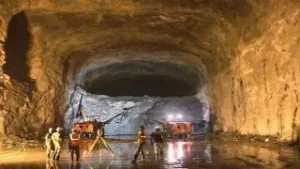
The Chandikhole project utilizes unlined rock cavern technology. Unlike surface tanks, these are excavated 60 to 100 meters underground in hard rock like granite.
The core principle here is Hydrostatic Containment. Since the cavern is built below the water table, the surrounding groundwater pressure is kept higher than the oil pressure. This naturally prevents the oil from leaking through any rock fissures. This method is not only cost-effective for large-scale storage but also provides a natural shield against external threats like fire or air strikes.
About the Author