
When Germany occupied France in 1940, the culture and cuisine there changed.
…………………………………………………………………..
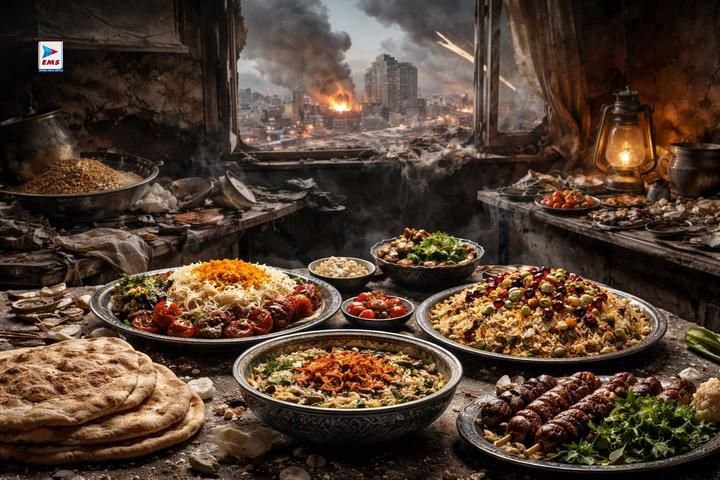
Chelo Kabab, Kabab Koobideh, Ash Reshteh, Morasa Polo… these are traditional Iranian dishes. When two countries face each other on the battlefield, it is not just borders that change, but even the taste of the common man’s plate can transform.
Today, looking at the tension between Iran, Israel, and America, the question arises: can a long-drawn-out war erase the culinary identity of a nation? The impact of war is so deep that it uproots centuries-old traditions. When supplies become scarce, humans are forced to eat things they once left for animals. History is witness that after war, many countries forgot their favorite delicacies and adopted things that were necessary only for survival.
France is an example of this—how a fierce war forever changed the habits of a country known for the world’s finest cuisine.
According to information, when the German army occupied France in June 1940 during World War II, the food culture there changed completely. In France, famous for its cheese, meat, and fine bread, there was a sudden shortage of these items. According to media reports, by 1942, the situation became so bad that an average Frenchman was getting only 1,110 calories a day. This was the period when food shortages forced people to give up their favorite things.
According to the report, the war gave birth to many new things in France. People there started calling it Ersatz or alternatives—for instance, saccharin took the place of sugar, fat began to be used instead of butter, and real coffee became a mere dream. To fill the shortage of coffee, people started roasting and drinking chickpeas, barley, and chicory roots.
Even today, the chicory coffee found in French supermarkets is a legacy of this war. Experts say that vegetables like Rutabaga (a type of turnip) and Jerusalem Artichoke were fed only to animals before the war; however, when potatoes became scarce, the French had to depend on this animal fodder.
For several decades after the war, people did not even like to touch these vegetables because they reminded them of poverty and misery. France’s famous white bread also fell victim to the war. In the 1940s, white flour became unavailable and was replaced by bread made from a mixture of dark grains, chestnuts, and potatoes. People used to carry their share of bread when visiting friends’ houses.
After the war ended, the desire for white bread grew so much that traditional sourdough bread makers were looked upon with disdain, as people now wanted only white and modern bread.