( Analysis is given below)
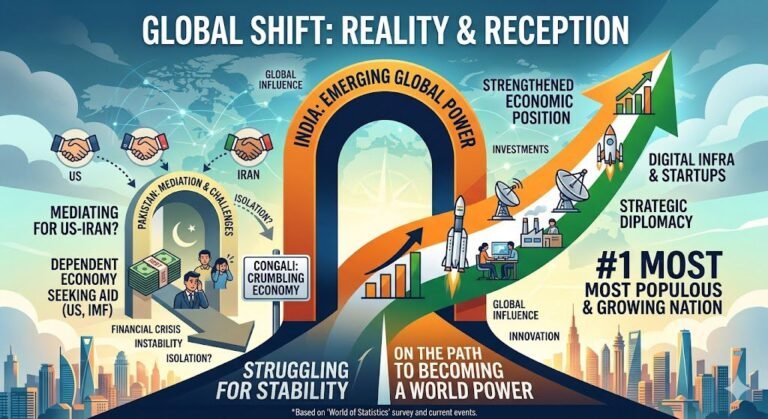
Key Points – Due to these events, energy crises have emerged in many countries, including India. PM Modi stated in Parliament that the impact will be long-lasting. He also added that one should be prepared for the long-term effects.
…………………………………………………………………….
Highlights: Impact of Global Events on the Oil Market
Due to the ongoing war in the Middle East, Brent crude prices have crossed $100 per barrel.
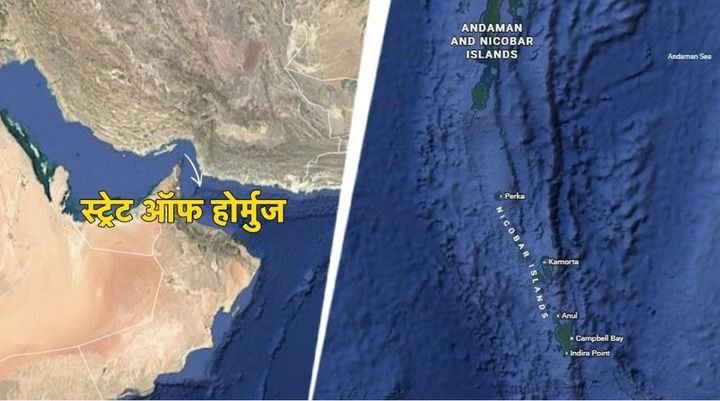
Oil prices have surged due to Iran closing the Strait of Hormuz and attacks on energy infrastructure in the Gulf region.
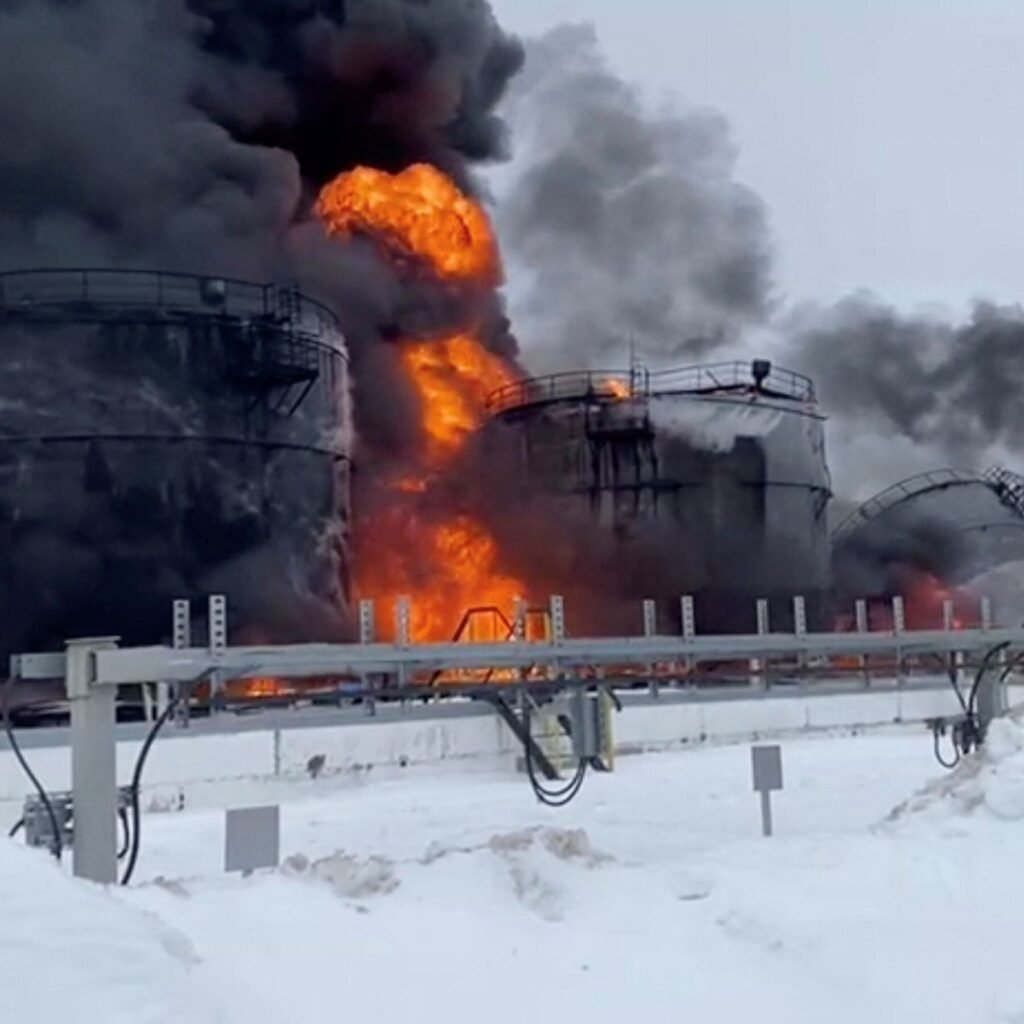
The Ukrainian military has attacked at least two refineries and an oil-loading port in Russia, affecting the global energy market.
Major Events and Their Impact
The International Energy Agency (IEA) has described the current situation as the ‘largest oil disruption in history,’ creating an energy crisis in countries like India.
……………………………………………………………………
Due to the ongoing war in the Middle East, oil prices have increased. Brent crude is trading above $100 per barrel. This surge is attributed to Iran closing the Strait of Hormuz and attacks on energy infrastructure in the Gulf region. Additionally, amid rising tensions in the Gulf, the Ukrainian military—as part of the ongoing war—has attacked at least two refineries and an oil-loading port in Russia. Meanwhile, in the United States, the massive Valero refinery in Port Arthur, Texas, was shut down following an explosion and fire.
These events, combined with the disruptions caused by the Iran war, have shaken the global energy market. When Trump announced the deferment of attacks on Iranian energy infrastructure, oil prices saw a slight decrease of 11%, but they have now climbed back above $100. The International Energy Agency (IEA) has labeled this situation as the ‘largest oil disruption in history.’
Between March 18 and 20, during the Iran war, attacks occurred on energy centers in the Persian Gulf. Israel attacked Iran’s ‘South Pars’ gas field, triggering retaliatory attacks across the region. QatarEnergy reported damage at the world’s largest LNG complex, Ras Laffan Industrial City, following Iranian missile attacks on March 19. On the same day, a drone attack targeted Saudi Arabia’s ‘SAMREF’ refinery. Fires also broke out at Kuwait Petroleum Corporation’s ‘Mina Al-Ahmadi’ and ‘Mina Abdullah’ refineries.
Meanwhile, in Eastern Europe, the Ukrainian military attacked Rosneft’s ‘Saratov’ refinery on March 21. On March 23, the ‘Primorsk’ oil terminal in the Baltic Sea and a refinery in ‘Ufa’ were targeted.
Furthermore, on March 23, an explosion and fire occurred at the Valero refinery in Port Arthur, Texas. This refinery has the capacity to process approximately 435,000 barrels of oil per day. However, this incident was not related to the war.
Notably, these events have triggered energy crises in several countries, including India. PM Modi stated in Parliament that the impact will be long-lasting and emphasized that one must remain prepared for these long-term consequences.
Analysis of the Situation
The ongoing conflict in the Middle East has pushed oil prices upward, with Brent Crude trading above $100 per barrel. This surge is a direct result of Iran closing the Strait of Hormuz and subsequent attacks on energy infrastructure throughout the Gulf. Compounding these tensions, the Ukrainian military has targeted at least two refineries and an oil-loading port in Russia as part of the ongoing war. Meanwhile, in the United States, the massive Valero refinery in Port Arthur, Texas, was shut down following an explosion and fire.
These combined events, alongside the disruptions caused by the Iran conflict, have shaken the global energy market. While oil prices saw a brief 11% dip after Trump announced a temporary halt to strikes on Iranian energy infrastructure, they have since climbed back above the $100 mark. The IEA has categorized this period as the most significant oil disruption the world has ever seen.
The escalation between March 18 and March 20 saw heavy strikes on energy centers in the Persian Gulf. Israel attacked Iran’s “South Pars” gas field, triggering a wave of retaliatory strikes across the region. On March 19, QatarEnergy reported damage at the Ras Laffan Industrial City, the world’s largest LNG complex, following Iranian missile strikes. On the same day, Saudi Arabia’s “SAMREF” refinery was hit by a drone. Fires were also reported at Kuwait Petroleum Corporation’s “Mina Al-Ahmadi” and “Mina Abdulla” refineries.
In Eastern Europe, the Ukrainian military attacked Rosneft’s “Saratov” refinery on March 21. This was followed by strikes on the “Primorsk” oil terminal in the Baltic Sea and a refinery in “Ufa” on March 23.
Additionally, on March 23, an explosion and fire occurred at the Valero refinery in Port Arthur, Texas. This facility has the capacity to process approximately 435,000 barrels of oil per day. Notably, this specific incident was reported as unrelated to the ongoing war.
As a result of these widespread disruptions, energy crises have emerged in several nations, including India. Prime Minister Modi addressed Parliament, warning that the effects of these developments would be felt for a long time and urging the nation to be prepared for the long-term impact.
Impact on the Indian Economy: An Analysis
The current instability in the global energy market poses a significant challenge for India, as the country relies on imports for approximately 85% of its oil requirements. The impact could be seen in the following areas:
Inflation and Price Hikes: If crude oil prices remain above $100, there is a strong possibility of an increase in the prices of petrol, diesel, and cooking gas in India. A rise in diesel prices will lead to higher transportation costs, subsequently driving up the prices of food grains and other essential commodities.
Depreciation of the Rupee: India will have to spend more dollars to import oil. This will increase the ‘Current Account Deficit’ (CAD) and may lead to a decrease in the value of the Indian Rupee against the US Dollar.
Government Spending and Subsidies: If the government reduces taxes (Excise Duty) to protect the general public from the energy crisis, it will result in a loss of government revenue. This could put pressure on the budget allocated for the country’s developmental projects.
Stock Market Volatility: The global war-like situation and energy crisis may cause panic among investors, potentially leading to a major downturn in the Indian share market.
Emphasis on Alternative Energy: This crisis will compel India to work more rapidly towards renewable energy sources like solar energy, wind energy, and green hydrogen. In the long run, this will help India become ‘Atmanirbhar’ (self-reliant).
Key Conclusion: As per the Prime Minister’s observations, this crisis is not temporary. If the conflicts in Russia-Ukraine and the Middle East persist, India will have to bring about significant changes in its economic strategy.