( Analysis is given below)
Amidst the ongoing war in the Middle East, reports suggest that US President Donald Trump may hold peace talks with Iran. However, Trump has several conditions for ending the war that Iran must accept. Meanwhile, Iran has also demanded compensation for the damages incurred during the conflict.
According to a report by ‘Axios’, the Trump administration has begun internal discussions regarding peace talks with Iran. This initial peace plan is being led by Jared Kushner and Steve Witkoff.
Currently, there has been no direct communication between the US and Iran, but Egypt, Qatar, and the UK are playing active roles as mediators. Meanwhile, the fighting is expected to continue for another 2 to 3 weeks.
It is being said that while Iran is ready for talks, it has set strict conditions for ending the war. Iran has demanded the implementation of a ceasefire and a guarantee against any future attacks. Additionally, Iran has placed a condition for compensation for the losses suffered during the war.
US Imposes Strict Conditions for Ceasefire
On the other hand, the US wants Iran to halt any missile programs for the next 5 years. Another US condition is that Iran must reduce uranium enrichment to zero and completely shut down its major nuclear centers. Furthermore, the US has demanded that Iran set limits on regional missiles and stop supporting groups like Hezbollah, the Houthis, and Hamas.
Iran has already rejected several of these US demands. Trump is also currently not ready for a ceasefire and has described the demand for ‘compensation’ as a ‘non-starter.’ However, instead of compensation, the US is considering the return of Iran’s frozen assets.
Several Challenges for Peace Talks
The biggest challenge is that it is currently unclear who holds the decision-making power in Iran. It also remains to be decided which country will be the most effective mediator. The US prefers Qatar as a mediator, but the talks are still in a very early stage. The war continues, but the ground for diplomacy is beginning to take shape. There is still a massive gap between the stances of the US and Iran. Peace talks may happen, but they currently seem a long way off.
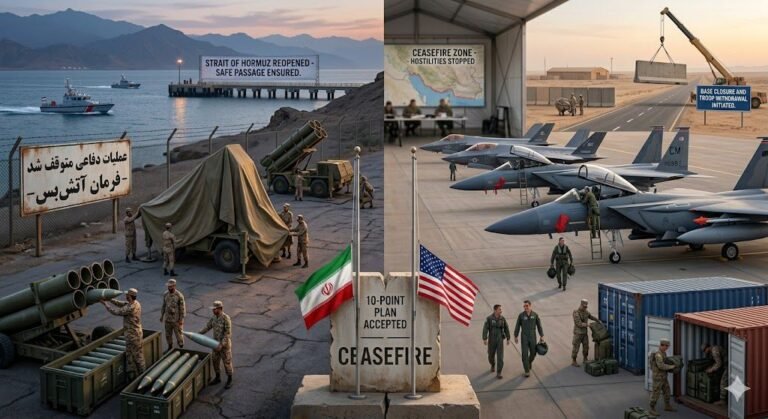
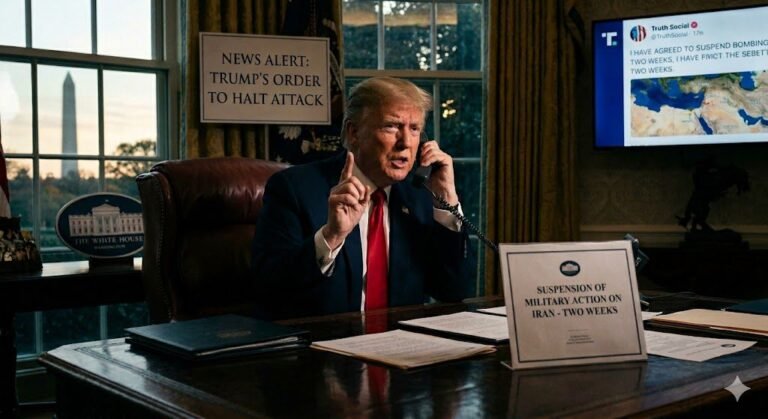
After a long period of bitterness and military tension, some easing has been observed in the war-like situation between the USA and Iran. Due to pressure from the global community and diplomatic efforts, it appears that both countries are now showing interest in resolving issues through dialogue instead of direct conflict.
Analysis:
This temporary easing of tensions between two major global rivals, the USA and Iran, is a piece of relieving news not only for the Middle East but for the entire world. At a time when dark clouds of war were looming over nuclear programs and regional dominance, returning to the ‘discussion table’ reflects a sign of mature diplomacy.
Several important factors lie behind this shift:
Economic Stability: While Iran’s economy has been impacted by long-term sanctions, the USA also does not wish to bear the burden of another military conflict.
Global Pressure: Constant intervention from the United Nations and European nations has forced both sides to soften their respective stances.
Public Opinion: Ordinary citizens of both countries desire peace and stability over war, which has given the ruling leadership food for thought.
Although this peace message is a positive step, only time will tell how sustainable it will be. The subsiding of war hysteria and the “ebbing” of tensions at a diplomatic level is certainly a good sign for world peace. This will help keep crude oil prices controlled in the global market and bring improvement to international trade.