( Analysis is given below)
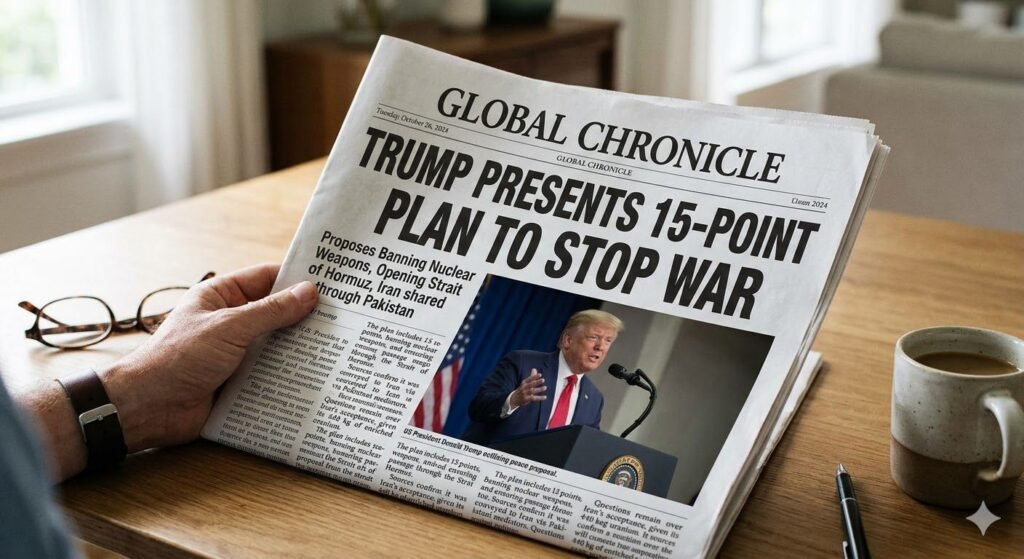
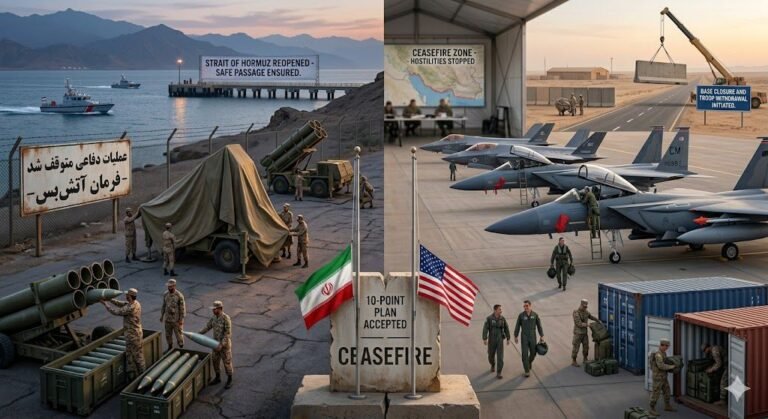
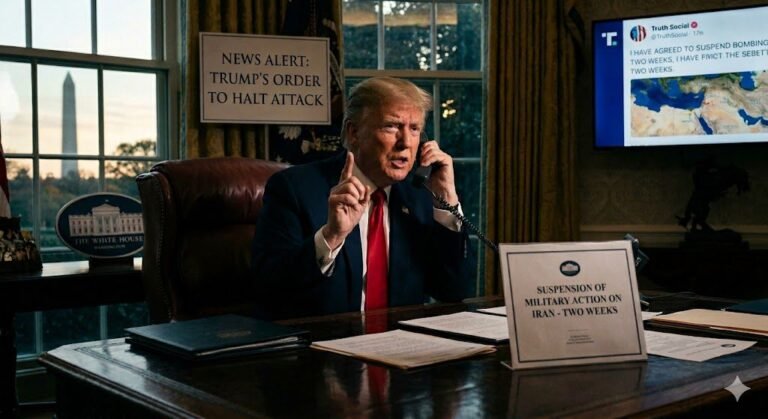
US President Donald Trump has presented a plan to stop the ongoing war in West Asia. This 15-point plan includes mentions of banning nuclear weapons and opening the Strait of Hormuz. A source with knowledge of the matter told Media that the US has shared this peace plan with Iran. However, they did not provide much further information on the matter.
According to The New York Times, this proposal was conveyed to Iran through Pakistan. Pakistan has offered to act as a mediator between the US and Iran to end this conflict. It is not yet clear whether this 15-point plan sent through Pakistan has been shared among Iranian officials or not. The question also remains whether Iran will accept it as a basis for talks, as this 15-point plan has not been made public.
According to The New York Times, they have not obtained a copy of the 15-point plan. However, some officials have told them this on the condition of anonymity. They stated that the plan overall relates to Iran’s ballistic missile and nuclear program. The stance of the US and Israel is that they will never allow Iran to acquire nuclear weapons. Iran still possesses 440 kilograms of enriched uranium.
Geopolitical Analysis: The 15-Point Peace Plan
This proposal by the Trump administration represents a significant attempt to recalibrate the power dynamics in the Middle East. Here is an analysis of the potential impacts:
1. Nuclear Non-Proliferation and Regional Security
The core of this plan is a hardline stance against Iran’s nuclear ambitions. By demanding a halt to the nuclear program and addressing the 440kg of enriched uranium, the US aims to eliminate what Israel considers an existential threat. If Iran agrees, it could lead to a massive de-escalation; if it refuses, it provides the US and Israel with a diplomatic justification for potential preemptive military strikes.
2. Global Energy Security (Strait of Hormuz)
The inclusion of “opening the Strait of Hormuz” is a masterstroke for global economic stability. Since approximately 20-30% of the world’s total oil consumption passes through this narrow waterway, ensuring it remains an “open maritime zone” prevents Iran from using it as a “chokehold” against international sanctions. This would stabilize global oil prices, benefiting major importers like India and the EU.
3. Pakistan’s Strategic Re-emergence
Pakistan acting as a mediator is a pivot in regional diplomacy. By leveraging its shared border and historical ties with Iran, along with its security relationship with the US, Pakistan is attempting to regain its status as a “pivotal state.” For the US, using Pakistan provides a channel that doesn’t involve traditional Arab intermediaries who may have their own direct conflicts with Tehran.
4. The Iranian Dilemma
For Tehran, this plan is a “double-edged sword.”
The Incentive: Potential relief from crippling economic sanctions and a path back to the global market.
The Risk: Giving up ballistic missiles and nuclear leverage is seen by the Iranian hardliners as “national suicide.” Accepting these terms would require a massive shift in Iran’s internal revolutionary ideology.
5. Israel’s Strategic Red Line
The plan aligns closely with Israeli Prime Minister Netanyahu’s long-standing demand for “zero enrichment.” By incorporating this into a formal US proposal, the Trump administration is signaling that the era of “strategic patience” regarding Iran’s proxy wars (via Hezbollah and Hamas) is over.
Conclusion:
Trump’s “Deal-Making” approach is high-stakes. It seeks to replace the previous fragmented conflicts with a single, comprehensive “Grand Bargain.” The success of this plan hinges on whether Iran values economic survival over its nuclear identity.