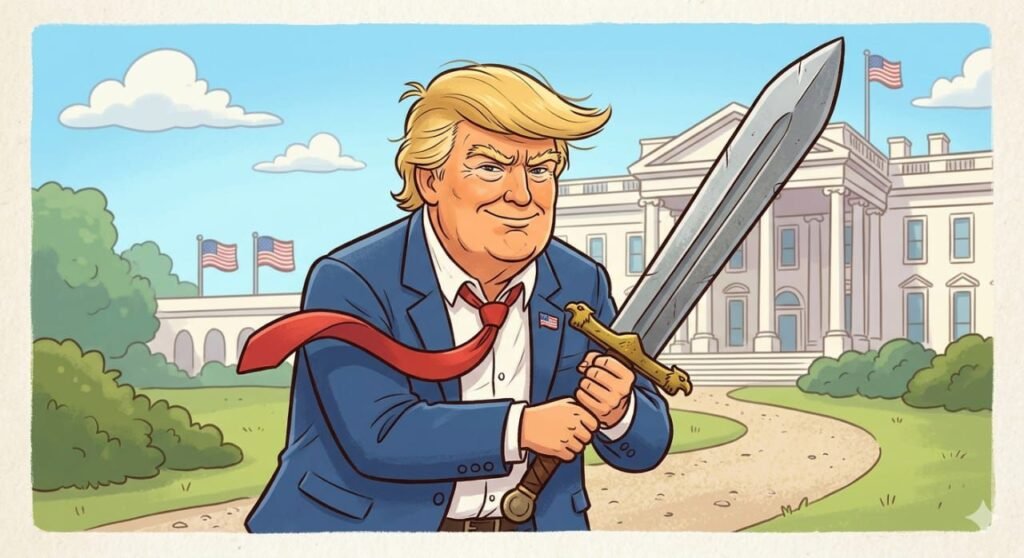
A debate has been triggered regarding the personality style and leadership behavior of U.S. President Donald Trump. In recent years, his decisions, public statements, and methods of managing international relations have made him a leader with whom relations—whether friendship or enmity—are considered uncomfortable and complex. Political analysts believe that the influence of “person-centric power” is clearly visible in Trump’s working style.
His famous phrase “You’re Fired,” which gained popularity through a reality show, remained not just limited to entertainment but was also reflected in his administrative decisions. During his presidential tenure, he abruptly removed several senior officials, including the Director of the FBI and officials associated with defense and foreign policy.
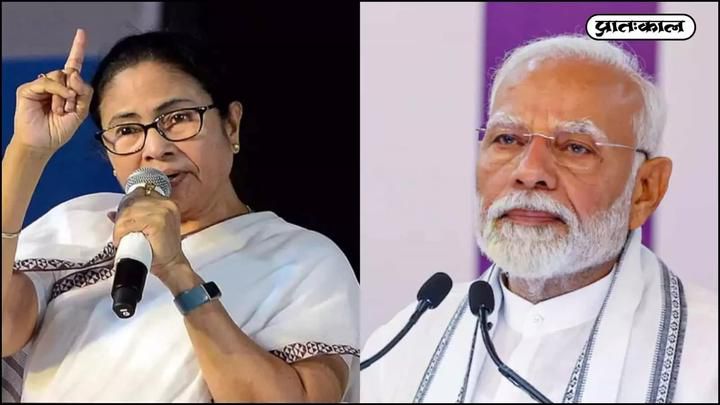
According to experts, intolerance toward criticism and an expectation of praise are key elements in Trump’s leadership style. This is why he often appears more comfortable among his supporters, while his relationships with colleagues who hold independent opinions do not last long. His style has also been controversial on the international stage. A mix of public praise and policy rigidity was observed in his relations with leaders like Ukrainian President Zelenskyy, French President Macron, and Indian PM Narendra Modi. For instance, while he described Modi as a “great friend,” he also took decisions like imposing tariffs on India.
Historians recall Henry Kissinger’s famous quote: “To be an enemy of America can be dangerous, but to be a friend is fatal.” Many analysts believe this statement applies to Trump’s politics in today’s context. A significant aspect of Trump’s image is that despite controversies, he maintains a strong hold over his supporters. Even after criticisms, investigations, and events like impeachment, there was no expected impact on his popularity. According to political analysts, he has developed a narrative in which every allegation is presented as a “political conspiracy.” Overall, Trump’s personality appears distinct from traditional political standards. His style is a blend of aggression, self-confidence, and controversy, making him a unique and debatable figure in global politics.
Analysis: The “Trumpian” Paradox of Diplomacy
The core of your query—that enmity with Trump is like falling into a ditch while friendship is like falling into a well—perfectly encapsulates the unpredictability that defines his political identity. Here is a brief analysis of this dynamic:
1. Transactional Diplomacy vs. Traditional Alliances
Unlike traditional leaders who follow long-standing diplomatic protocols, Donald Trump views every relationship through a transactional lens. For him, there are no permanent friends or foes, only “deals.” This is why he can praise PM Modi one moment (friendship) and impose trade tariffs the next (economic pressure). This “America First” approach prioritizes immediate gains over long-term diplomatic stability.
2. The Cult of Personality
As mentioned in the news, his leadership is “person-centric.” In Trump’s world, loyalty is the highest currency.
Enemies face public aggression and “maximum pressure” tactics.
Friends face the pressure of total alignment; any disagreement is often viewed as a betrayal, leading to the “You’re Fired” outcome.
3. Strategic Unpredictability
Trump uses unpredictability as a tool. By keeping both allies and rivals off-balance, he ensures that he remains the central gravity of any negotiation. This creates the “ditch or well” dilemma:
If you oppose him, you face his Twitter (or social media) wrath and policy sanctions.
If you befriend him, you must navigate a volatile path where the rules can change overnight based on his intuition or domestic political needs.
4. Resilience through Narrative
The most striking feature is his ability to turn every crisis into a “conspiracy” theory. By framing himself as a victim of the “Deep State” or political rivals, he has immunized his popularity against scandals that would typically end a political career.
Conclusion:
Navigating a relationship with a leader like Trump requires a high degree of pragmatism. For countries like India, it means balancing personal chemistry between leaders with a very tough, data-driven negotiation on trade and security. It is a high-stakes game where the margin for error is non-existent.
Trump calls NATO a paper tiger
……………………………………………………………………
During an Easter lunch at the White House, U.S. President Donald Trump took swipes at British Prime Minister Keir Starmer and French President Emmanuel Macron, labeling NATO a “paper tiger.” Trump alleged that Britain and France failed to provide adequate support during the U.S.-Israel war against Iran.
Trump claimed he had asked Britain to deploy an aircraft carrier, but Keir Starmer responded by saying he needed to consult with his team. Trump remarked that Britain should have been America’s best ally, but it did not stand by them as expected during the war. He also mentioned Britain’s King Charles, calling him a good person, but noted that the lack of cooperation was disappointing.
In his speech, Trump also commented on French President Emmanuel Macron, stating that he had asked France to send ships to assist in the Gulf region, but France offered help only after the war ended. Trump even mimicked Macron’s alleged response using a French accent.
Targeting NATO as well, Trump stated that the alliance would not provide support if a major war broke out, calling it a “paper tiger.”
The White House initially released a video of this speech on social media but later removed it.