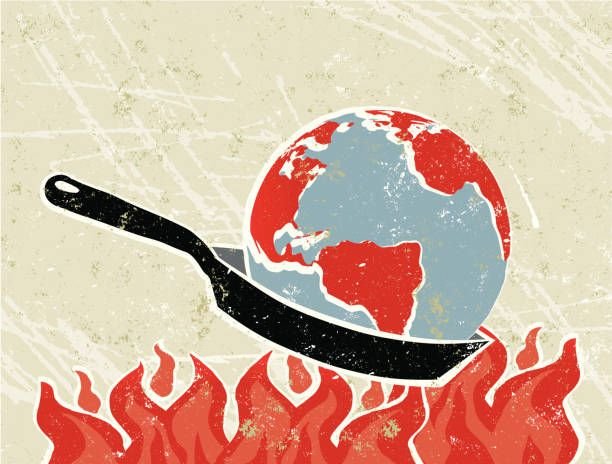
The impacts of climate change aren’t limited to melting glaciers or unpredictable monsoons. They have reached our kitchens, our plates, and even our glasses of water. Rising temperatures, shifting rainfall patterns and changing weather are quietly changing what we eat, how we grow our food, and even what we can safely drink.
Changing Crops, Changing Food
From rice fields to coffee plantations, farmers are feeling the direct impact of climate change. Unseasonal rains and prolonged droughts are affecting crop yields, forcing farmers to switch to more resilient varieties or abandon traditional ones. For example, in India, rice farmers in the south are grappling with water shortages, while tea plantations in Assam are facing erratic rainfall.
Water
It’s not just food that’s changing, but our water sources are as well. Climate change is causing rivers to dry up, groundwater levels to decline, and monsoons to become erratic, all of which have a direct impact on water availability and quality. Many urban areas are turning to bottled or filtered water, but this too is coming at an environmental cost.
Pressure on Nutrition
As food supply chains adapt to a changing climate, nutrition is being impacted. Scientists warn that crops grown with higher carbon dioxide levels may have lower protein, zinc, and iron content, meaning that even if people eat the same food, they may still receive fewer nutrients than before.
The Rise of Climate-Conscious Food
Interestingly, consumers around the world are responding to this. The concept of “climate-conscious food” is becoming more popular. From replacing rice with millet to reducing red meat and packaged foods, people are gradually changing their diets to make them healthier and more nutritious. In India, the government has begun promoting millets as climate-resilient superfoods, highlighting their role in reducing food insecurity and improving nutrition.
Thoughts
Climate change is no longer a distant thing; it’s right in front of us, right on our tables. The food we once took for granted is changing in taste, texture, and even safety. So, what’s the way forward? Eating seasonal foods, supporting local farmers, reducing food waste, and drinking water responsibly are small but impactful steps we can take.