How and where are nuclear bombs stored ?- Many countries are accused of storing their nuclear weapons in poor
countries
………………………
Highlights – Storage of nuclear bombs is highly confidential and secure. Nine countries (the United States, Russia, etc.) possess a total of more than 1,000 bombs, which are stored in underground bunkers, military bases, and submarines. US bombs are also deployed in some developing European countries (such as Turkey), which faces accusations of storing weapons in poor countries.
…………………………………………………………………….
Nuclear bombs are the world’s most dangerous weapons. They are so powerful that one bomb can destroy an entire city. But where are these bombs stored? How are they kept safe? And why are some countries accused of hiding their nuclear bombs in poor countries? We will tell you about each nuclear-powered country and where their bombs are stored.
What are nuclear bombs and why is storage important ?
Nuclear bombs are weapons that explode using nuclear energy. Nine countries in the world possess these bombs: the United States, Russia, China, Britain, France, India, Pakistan, Israel, and North Korea. Together, these countries possess more than 12,000 nuclear bombs. But these bombs are never used. They are kept to deter enemy countries.
Storage means keeping these bombs in a safe place. If these bombs are stolen or accidentally detonated, they could pose a huge threat. Therefore, every country keeps these bombs in very secret and secure locations. Now, let’s see how they are stored.
How are nuclear bombs stored?
The storage of nuclear bombs is very strict. These bombs are stored in small compartments so that they cannot be easily detonated. Here are the key points…
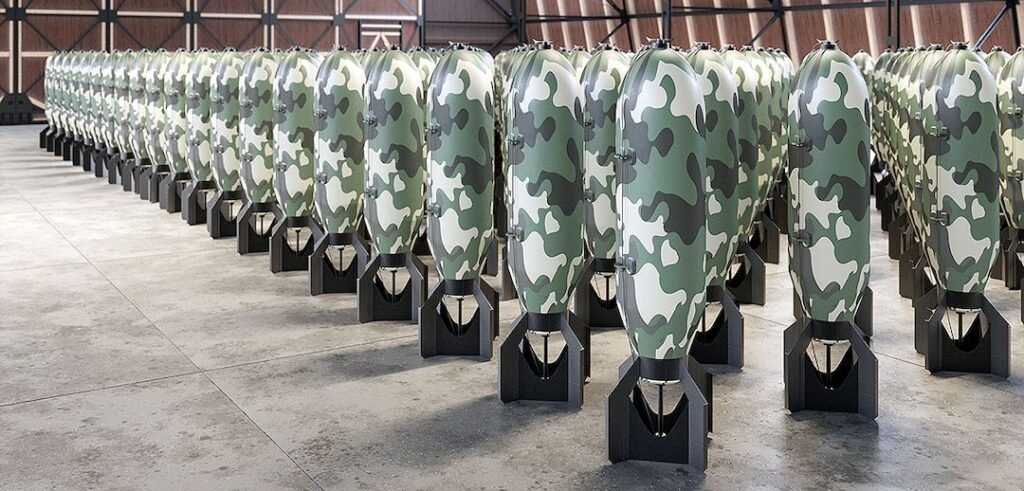
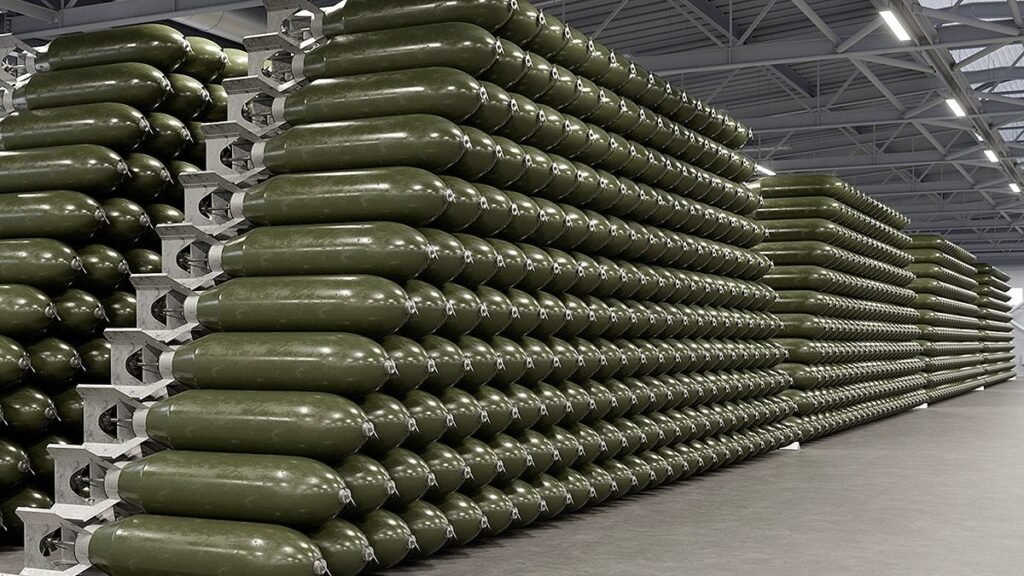
Secure bunkers: Most bombs are stored in underground bunkers. These bunkers are made of stone and steel, capable of withstanding bombardment.
Special features: Electronic locks are installed to lock the bombs. Only high-ranking officials can open them.
Surveillance: Cameras, sensors, and soldiers provide 24-hour security. Computer systems monitor every movement.
Transportation: Special trucks or airplanes, which are bulletproof, are used to transport the bombs.
Training: Soldiers are taught how to handle bombs to prevent accidents.
This is done to ensure the bombs remain safe. However, this storage sometimes leads to disputes.
Which country has how many nuclear bombs and where are they stored?
The world’s nine nuclear countries store their bombs in different locations. We’ll explain each country in a simplified manner. This information is based on a 2017 expert report, which is consistent with subsequent reports.
1. United States (Approximately 5,000 bombs)
The United States is the world’s largest nuclear power. Its bombs are stored at 18 locations…
Indoor locations: 12 locations in 11 US states. Such as F.E. Warren Air Base in Wyoming (for missiles), Whiteman Air Base in Missouri (for bombers), and Kirtland Underground Storage (central storage) in New Mexico.
Naval bases: Kitsap in Washington and Kings Bay in Georgia.
In Europe: Approximately 150 US small bombs are stored in five NATO countries: Belgium, Germany, Italy, the Netherlands, and Turkey. These bombs are in underground caves so that NATO aircraft can use them.
2. Russia (approximately 6,000 bombs)
Russia has the largest stockpile of bombs. It has storage facilities at 48 locations…
Main locations: 11 ICBM (long-range missile) fields, two submarine bases (near Kamchatka and Kursk), and two bomber bases.
Reserve storage: 12 national storage sites, which are under the control of the Ministry of Defense in Moscow.
Factories: Some bombs are also stored in bomb-making and dismantling factories. Russia’s bombs are mostly stored domestically. Recently, in 2023, Russia deployed some bombs in Belarus, but Belarus is not considered a poor country.
3. Britain (approximately 225 bombs)
Britain’s bombs are stored at two locations in Scotland…
Main bases: Faslane and Coulport, Scotland. Trident missiles are stored here in submarines.
Factories: Two factories near London repair bombs. Britain’s bombs come from the United States, but are stored domestically.
Also read: Endgame Bomber… Trump’s secret nuclear weapon revealed, warning to Russia and China
4. France (approximately 290 bombs)
France has bombs at seven locations…
Submarine base: Ile Longue in the Bretagne region.
Air Force base: For land- and ship-based missiles.
Production center: The main bomb-making factory in Valduc. France’s bombs are also stored domestically. In the past, France had bases in some African countries, but not anymore.
5. China (approximately 500 bombs)
China’s bombs are concentrated in 12 locations…
Central Storage: The largest storage facility is located at 22 bases in western Shaanxi Province.
Missile Bases: 25 brigade bases, where a smaller number of bombs are stored.
Navy and Air Force: Two submarine bases and some bomber bases. China’s bombs are stored secretly, but mostly within its own country.
6. India (approximately 180 bombs)
India’s bombs are stored at five locations…
Central storage: Not at military bases, but at separate central locations. Such as Bairagarh (Madhya Pradesh) and other secret sites. India’s policy is to always keep bombs safe, not deployed. No overseas deployment.
7. Pakistan (approximately 170 bombs)
Bombs are scattered across nine locations in Pakistan…
Distributed storage: South of Islamabad, near missile systems. An underground facility near Tarbela.
Pakistan stores bombs dispersed so they won’t all be destroyed in an attack. No overseas locations.
8. Israel (approximately 90 bombs)
Bomb parts are stored at five locations in Israel…
Secret sites: Near the Dimona Nuclear Center. Israel never officially acknowledges having bombs, but experts estimate they have them. No overseas deployment.
9. North Korea (approximately 50 bombs)
The exact locations of North Korea’s bombs are unknown. It’s estimated that they are underground facilities near Pyongyang. No foreign locations.
Accusations against several countries: Storing nuclear bombs in poor countries?
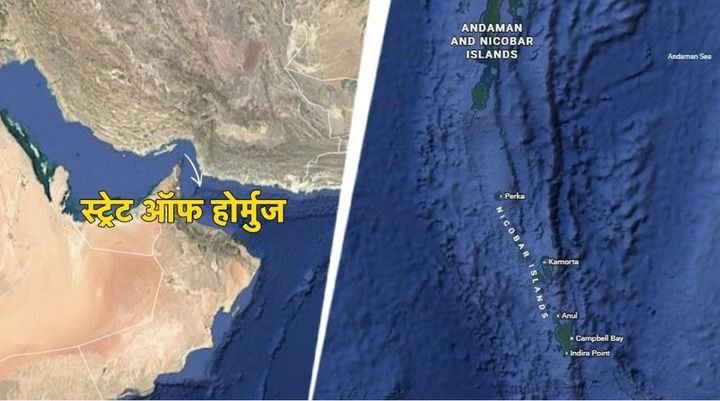
Many organizations and countries accuse the United States of storing its nuclear bombs in some European countries, including developing (poor) countries like Turkey.
Turkey’s economy is still developing. American bombs are stored at Incirlik Air Base there. Critics say these bombs are unsafe, especially after the 2016 Turkish coup. Some argue that this nuclear partnership is wrong, but burdening poor countries is wrong.
Historically, the Soviet Union (now Russia) placed bombs in poor countries like Cuba, Egypt, and Angola, which was controversial. France also placed bases in its African colonies. Nowadays, Russia is accused of storing bombs in Belarus, but Belarus is not poor. These allegations pose a threat to peace, as security can be weak in poor countries. Organizations like the United Nations condemn them.
Storing nuclear bombs is the world’s biggest challenge. Every country stores its bombs, but these weapons can wreak havoc at any time. Fortunately, no new country is developing nuclear weapons. International agreements like the NPT (Non-Proliferation Treaty) are helping to reduce their numbers.
.