( Analysis is given below)


Highlights: In just 18 days of the Iran-Israel war, the wealth of the world’s top 500 billionaires has declined by more than $3.5 trillion. Several tech billionaires, including Elon Musk, Jeff Bezos, and Mark Zuckerberg, have incurred losses of billions of dollars.
The Iran-Israel war, which began on February 28, 2026, has plunged the global economy into a deep crisis. Due to this conflict, heavy fluctuations are being observed in the energy market, global trade, and the stock market.
According to experts, in the first 18 days of the war alone, the total net worth of the world’s top 500 billionaires has recorded a decrease of more than $3.5 trillion. Billionaires associated with the tech and manufacturing sectors, in particular, have been hit the hardest.
Elon Musk Suffers the Biggest Loss
The wealth of the world’s richest person, Elon Musk, has also seen a heavy decline. Shares of Tesla have recorded a drop of about 12 percent in the last 15 days. The surge in crude oil prices due to rising tensions in the Middle East has increased the supply chain and logistics costs for electric vehicles.
At the end of February, Musk’s total net worth was around $841 billion, which has now decreased to nearly $790 billion. Despite this, he remains the richest person in the world.
Major Setback for Jeff Bezos
Amazon founder Jeff Bezos has also had to face significant economic losses due to this war. Experts believe that if tensions increase in the Strait of Hormuz, global shipping costs could rise sharply.
Following this apprehension, investors started selling Amazon shares. As a result, Bezos’s wealth has seen a decline of about $25 billion in the last 18 days.
Heavy Pressure on Tech Sector Billionaires
The maximum impact of the war has been seen on the shares of tech companies. Meta CEO Mark Zuckerberg lost approximately $8.49 billion in a single day. Similarly, Oracle founder Larry Ellison also had to endure losses of billions of dollars.
A decline has also been recorded in the wealth of Google co-founders Larry Page and Sergey Brin. With investors moving into a “risk-off” mood, shares of tech companies are witnessing constant volatility.
Impact on the Luxury Sector
The impact of the war is also clearly visible on luxury brands. Bernard Arnault, head of the LVMH group, has seen a heavy decline in his wealth as well. In an atmosphere of economic uncertainty, people are avoiding purchasing expensive goods, which has increased pressure on the shares of luxury companies. In a single day, Arnault’s wealth decreased by about $7.57 billion.
Changes in the Ranking of Top 10 Billionaires
Although there hasn’t been much change in the rankings of the world’s top six billionaires, fluctuations have been seen in the positions of billionaires ranked seventh to tenth. The wealth of Walmart’s Jim Walton and Rob Walton has increased, and they have jumped higher in the rankings. Meanwhile, Warren Buffett and Amancio Ortega have dropped out of the top 10 list.
Experts’ Warning
Experts say that if a ceasefire does not occur in the coming days, further instability could be seen in global markets. Currently, only those billionaires whose investments are in gold, energy, or defense sector companies appear relatively safe. Overall, this war has dealt a deep blow even to the wealth of many of the world’s richest people.
……………………………………………………………………
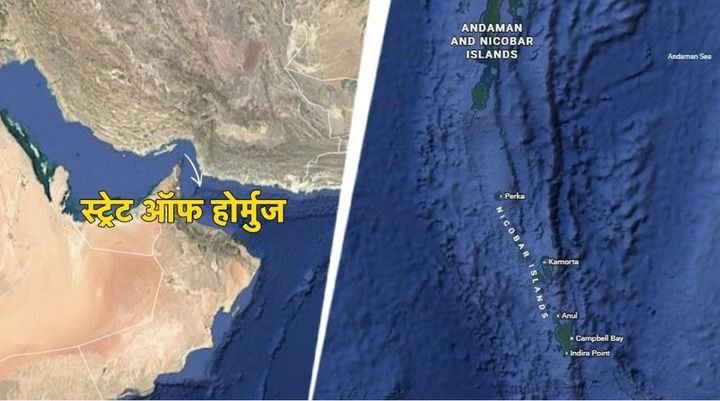
The Iran-Israel war, which began on February 28, 2026, has ignited an “inflation shock” that threatens to derail the fragile global economic recovery. As the conflict enters its third week, the closure of the Strait of Hormuz—a chokepoint for 20% of the world’s oil—is the primary engine driving these price surges.
Below is an analysis of how these market shifts are expected to impact global inflation in the coming months.
1. The Energy Catalyst: Oil and Gas Spikes
Energy is the most immediate “cost-push” factor for inflation.
Price Surges: Since the start of hostilities, Brent crude has jumped from $70 to over $100 per barrel, peaking as high as $126 in early March.
Inflationary Math: The International Monetary Fund (IMF) estimates that a sustained 10% increase in energy prices adds roughly 0.4 percentage points (40 bps) to global inflation. With oil currently up nearly 40-50% from pre-war levels, we could see a global inflation increase of 1.5% to 2% if these prices hold.
Electricity and Heating: Beyond fuel, the 20% disruption in global Liquefied Natural Gas (LNG) supplies is driving up utility costs in Europe and Asia, further squeezing household budgets.
2. Logistics and Supply Chain Fragmentation
The effective blockade of the Strait of Hormuz (transits are down 95%) is forcing a radical restructuring of global trade.
Rerouting Costs: Ships are bypassing the Persian Gulf and Suez Canal, opting for the Cape of Good Hope route. This adds 10 to 15 days to Asia-Europe transit times, skyrocketing fuel consumption and operational costs.
Insurance Premiums: Shipping insurance rates for the region have surged 4 to 6 times in a single week. These “war-risk” premiums are ultimately passed down to consumers, raising the price of everything from electronics to industrial steel.
3. The “Food-Fuel” Connection
Historically, food prices follow energy trends with a short lag.
Fertilizer Costs: High natural gas prices directly increase the cost of producing nitrogen-based fertilizers.
Transport & Agriculture: Rising diesel prices (already hitting $5.15 per gallon in some regions) increase the cost of running farm machinery and transporting produce to markets. Analysts warn that if the conflict lasts through the spring planting season, a global “cost-of-living” crisis in food staples is inevitable.
4. Regional Vulnerabilities
The impact is not uniform; some regions are significantly more exposed:
Asia-Pacific: Countries like India, Thailand, and South Korea import nearly 80% of their oil through the now-blocked Strait. In India, every 10% rise in oil prices is projected to push headline inflation up by 0.7% to 1.0%.
Emerging Markets: These economies face a “double whammy”: rising import costs and a strengthening US Dollar (which often rises during global conflict), making their dollar-denominated debt and imports even more expensive.
5. The Central Bank Dilemma
Central banks, which were preparing to cut interest rates in 2026, are now in a “policy trap”:
Stagflation Risk: If they raise rates to fight war-driven inflation, they risk triggering a recession.
Higher for Longer: Current forecasts suggest that the Federal Reserve and European Central Bank may now hold interest rates at elevated levels through at least the second quarter of 2026 to prevent inflation expectations from “de-anchoring.”
Key takeaway: If the Strait of Hormuz remains blocked for more than four to five weeks, experts warn the contraction in the global financial system could mirror the 2008 financial crisis.
Would you like me to look into how specific countries, like India or the US, are planning to use their strategic petroleum reserves to combat these price hikes?
The Iran-Israel war, which began on February 28, 2026, has ignited an “inflation shock” that threatens to derail the fragile global economic recovery. As the conflict enters its third week, the closure of the Strait of Hormuz—a chokepoint for 20% of the world’s oil—is the primary engine driving these price surges.
Below is an analysis of how these market shifts are expected to impact global inflation in the coming months.
1. The Energy Catalyst: Oil and Gas Spikes
Energy is the most immediate “cost-push” factor for inflation.
Price Surges: Since the start of hostilities, Brent crude has jumped from $70 to over $100 per barrel, peaking as high as $126 in early March.
Inflationary Math: The International Monetary Fund (IMF) estimates that a sustained 10% increase in energy prices adds roughly 0.4 percentage points (40 bps) to global inflation. With oil currently up nearly 40-50% from pre-war levels, we could see a global inflation increase of 1.5% to 2% if these prices hold.
Electricity and Heating: Beyond fuel, the 20% disruption in global Liquefied Natural Gas (LNG) supplies is driving up utility costs in Europe and Asia, further squeezing household budgets.
2. Logistics and Supply Chain Fragmentation
The effective blockade of the Strait of Hormuz (transits are down 95%) is forcing a radical restructuring of global trade.
Rerouting Costs: Ships are bypassing the Persian Gulf and Suez Canal, opting for the Cape of Good Hope route. This adds 10 to 15 days to Asia-Europe transit times, skyrocketing fuel consumption and operational costs.
Insurance Premiums: Shipping insurance rates for the region have surged 4 to 6 times in a single week. These “war-risk” premiums are ultimately passed down to consumers, raising the price of everything from electronics to industrial steel.
3. The “Food-Fuel” Connection
Historically, food prices follow energy trends with a short lag.
Fertilizer Costs: High natural gas prices directly increase the cost of producing nitrogen-based fertilizers.
Transport & Agriculture: Rising diesel prices (already hitting $5.15 per gallon in some regions) increase the cost of running farm machinery and transporting produce to markets. Analysts warn that if the conflict lasts through the spring planting season, a global “cost-of-living” crisis in food staples is inevitable.
4. Regional Vulnerabilities
The impact is not uniform; some regions are significantly more exposed:
Asia-Pacific: Countries like India, Thailand, and South Korea import nearly 80% of their oil through the now-blocked Strait. In India, every 10% rise in oil prices is projected to push headline inflation up by 0.7% to 1.0%.
Emerging Markets: These economies face a “double whammy”: rising import costs and a strengthening US Dollar (which often rises during global conflict), making their dollar-denominated debt and imports even more expensive.
5. The Central Bank Dilemma
Central banks, which were preparing to cut interest rates in 2026, are now in a “policy trap”:
Stagflation Risk: If they raise rates to fight war-driven inflation, they risk triggering a recession.
Higher for Longer: Current forecasts suggest that the Federal Reserve and European Central Bank may now hold interest rates at elevated levels through at least the second quarter of 2026 to prevent inflation expectations from “de-anchoring.”
Key takeaway: If the Strait of Hormuz remains blocked for more than four to five weeks, experts warn the contraction in the global financial system could mirror the 2008 financial crisis.