By – Jawahar Mishra
……………………………………………………………………..
Highlights – The dollar is used as the most reliable currency in international transactions. There was a time when America was also dependent on four annas (25 cents) and did not have its own currency. In the 17th century, the Spanish silver dollar was used in America. After the Bretton Woods Agreement of 1944, the dollar became the world currency. In 1971, the United States abolished the law of exchanging dollars for gold.
……………………………………………………………………
Almost all countries in the world use the dollar. Especially for international transactions, the American dollar is considered the most reliable currency. So how did the dollar become a global currency? How did people do business when the dollar did not exist? If the dollar, which had emerged as the world’s most powerful currency, were no longer in existence today, what would happen?
Today, international trade would come to a standstill without the dollar. But there was a time when America was also desperate for a four-cent coin. America did not have its own currency. But today the dollar has made America the most powerful country in the world.
What was used before the dollar?
The story of the dollar certainly began after America’s independence. But before that, the Spanish silver dollar was used in America. In fact, in the 17th century, America was occupied by Britain and the British were not at all interested in supplying currency to the countries they were enslaving. In such a situation, the Spanish silver dollar became the de facto currency of America.
Where did the word ‘dollar’ come from?
The word dollar comes from the European word “thaler”. Actually, at that time, silver coins in Europe were called thalers. In the 16th century, the Czech Republic first minted thalers, i.e. silver coins. The term spread to Europe, and the British began calling it dollar instead of thaler.
Entry of the dollar into America
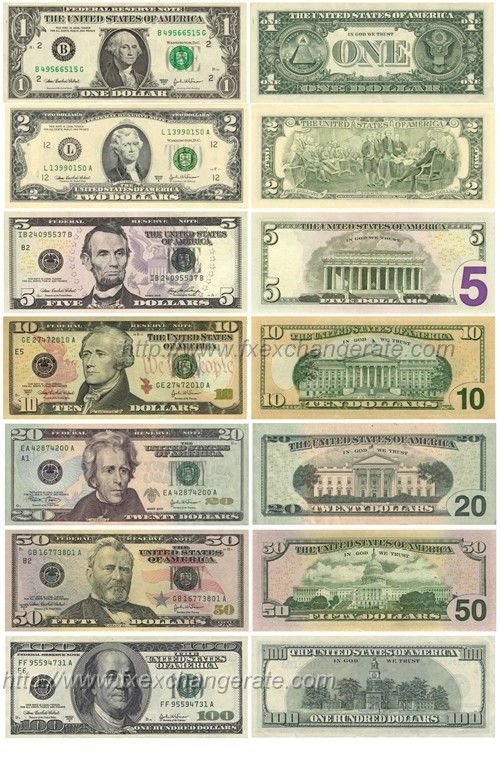
Previously, America used to trade in silver coins. But due to a shortage of silver, the government introduced paper money for the first time in 1690. After independence (American Revolution), the dollar was made the official currency of the United States in 1785. In 1913, the central bank of the United States (the Federal Reserve) was established, and from 1914, the printing of dollars was transferred to the Federal Reserve.
How was the dollar symbol “$” chosen?
The dollar symbol has changed over time. The dollar is now represented by “$”. In fact, in the Spanish American colonies, people called the currency “peso”. For this reason, the dollar symbol is also called the peso sign. The peso was represented by PS. Over time, both were unified and P started being written above S. After that, a line ($) above S started being considered as the peso sign.
How did the dollar become the world’s most powerful currency?
The story of the US dollar becoming a world currency is also very interesting. This story begins with the Bretton Woods Agreement of 1944. After the outbreak of World War II, representatives of 44 countries gathered in Bretton Woods, New Hampshire, USA. At this time, America assured all countries that they should trade in dollars instead of gold without any worries.
Gold Law in Dollar Exchange
America enacted a law for this, according to which if a person goes to the bank with gold, then he will be given dollars in exchange for gold. In fact, gold trading was a big challenge for traders too. It was very difficult to carry gold from one place to another as currency. There was also a fear of gold being looted on the road. In such a situation, all countries liked America’s advice.
Most countries deposited gold in American banks and took dollars and started trading in dollars. They were confident that they could withdraw their gold by paying dollars to American banks whenever they wanted. In this sequence, other countries also started using dollars in large quantities.
Floating Exchange Rate
However, in 1971, the US abolished the law of giving gold in exchange for dollars. After this, the floating exchange rate was started in America, the effects of which are still visible today. The value of the dollar changes daily, which is compared to the currencies of other countries. Today, in this sequence, the dollar continues to spread its unbridled influence throughout the world or, in plain language, it has run a grandiose business.
About the Author