………………………………………………………………
Prime Minister Narendra Modi met the country’s famous gamers on April 11. At that time, the interaction between the Prime Minister and these gamers was very natural. On this occasion, Prime Minister Modi laughed and used the words ‘novice’ and ‘newbie’. But behind this humorous style, a sensitive message was hidden. In fact, under the supervision of Prime Minister Modi, the government itself was preparing a policy on the online gaming sector in India. Now, after it was passed in the Parliament and approved by the President, a new law on online gaming has come into force. Now the Indian government has completely banned real money games. This decision has given a big blow to companies like Dream11, MPL, Zoopy.
In fact, the Prime Minister was inspired not only by the promise of jobs or global success, but also by the serious appeal of families who lost many relatives to online money games. Along with the stories of youth dreaming of e-sports, there was also the truth of debt, bad addiction and despair. In this regard, the ministries of finance, sports and IT jointly prepared a blueprint and discussed it with the Prime Minister.
The government’s new online gaming law has now triggered a strong and serious debate across the country. On one hand, advocates and activists have been demanding a strong wall between gambling-style money games and real e-sports. On the other hand, tech startups, professional gamers and investors have been warning against judging everything in the same light. According to reports, serious discussions were held with expert groups, advocates, agencies like ED, DRI, banks and the gaming industry in the last few months to get a 360° view on online gaming.
If we talk about numbers, then around 488 million people are playing online gaming in India and this number is expected to increase to around 517 million by 2025. By 2025, the number of e-sports viewers worldwide will exceed 640 million, with India being one of the largest. It is worth noting that gaming startups invested around Rs 3,000 crore in 2024 and this is expected to increase to around Rs 5,000 crore by 2025.
The dark side of online gaming
The government estimates that about 448 million Indians spend about Rs 20,000 crore in real money on this game every year. This is so much money that many things could be built with this money, such as - 2,000 hospitals with 500 beds or 200 universities or 2,000 km of highways or 40,000 electrified villages. Instead, this money is being wasted on gambling apps. Many human incidents have come to light after losses in online gaming, such as -
- Karnataka – In just 3 years, about 18 people have committed suicide related to gaming loans.
- Mysore – Three members of a family committed suicide after losing Rs 80 lakh.
- Madhya Pradesh – A 17-year-old boy committed suicide after a huge loss of about Rs 35,000.
- Rajasthan – A man allegedly strangled his grandmother to death to repay an online loan.
- Mumbai- A woman tried to commit suicide after falling into a debt of Rs 9 lakh after winning Rs 2 lakh.
- Hyderabad- A postal worker left a note requesting the Prime Minister to ban betting apps after losing Rs 15 lakh.
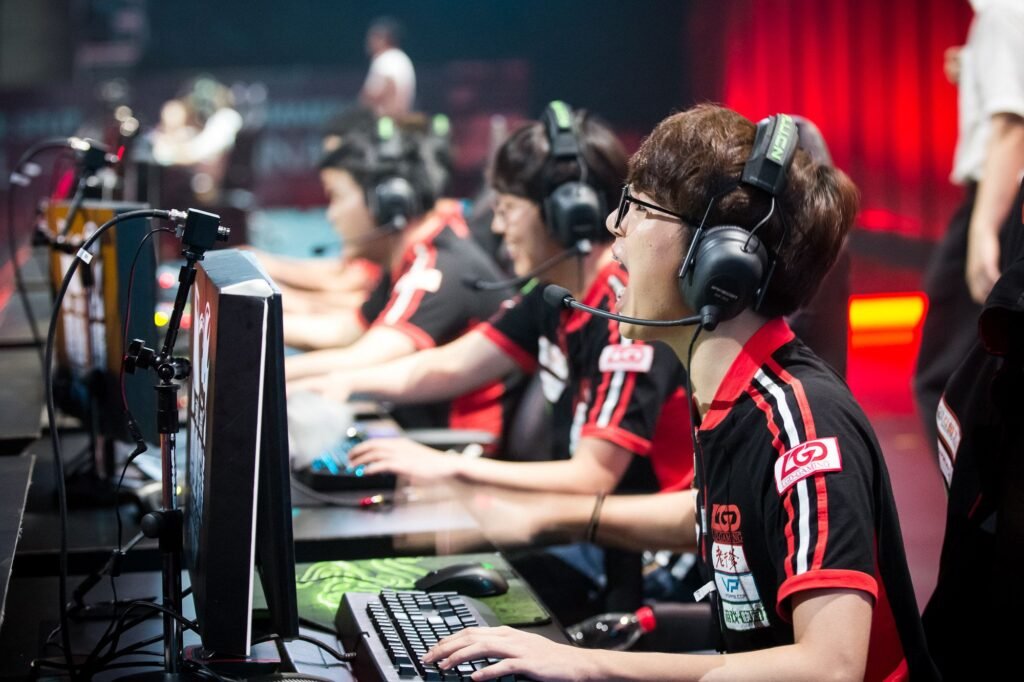
- Despite all this, online gaming cannot be completely ruled out. Like the Shottabaji app, e-sports is a legitimate industry that employs over 150,000 people and is expected to double by 2030. Tier-II and Tier-III cities also have a large share in it, and Indian games are steadily gaining international recognition.
What is the government’s blueprint?
The government’s blueprint hinges on two aspects. First – cracking down on illegal and harmful money games. Second – promoting e-sports as an industry and soft power. The losses are huge, but the opportunities are equally huge. One thing was clear from that April afternoon that Prime Minister Modi may call himself a novice and a ‘newcomer’, but from a policy perspective, he is playing it professionally.
About the Author