WHO Warns: Resistance to Common Antibiotics Growing Globally, May Increase Infection Risk
……………………………………………………………………..
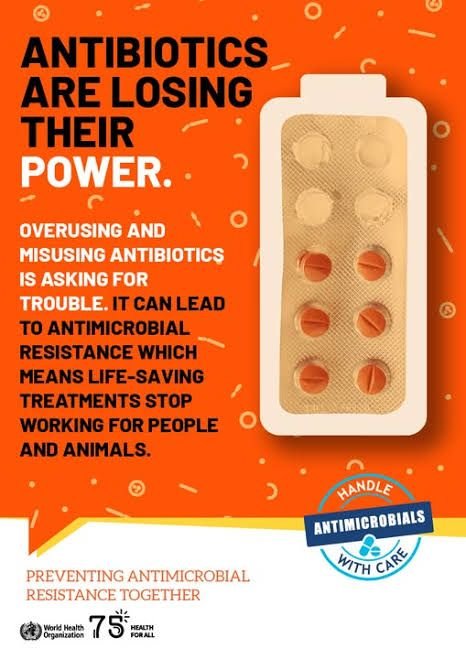
Imagine you have a fever or an infection. The doctor prescribes antibiotics. You think you’ll get better with the medication, but the medication isn’t working. Yes, this might make you think the doctor didn’t prescribe the right medication. But it’s likely due to antibiotic resistance. In a new report, the WHO warns that the effectiveness of antibiotics used to treat many common diseases worldwide is gradually decreasing. According to the report, by 2023, these drugs will be ineffective against 1 in 6 lab-tested infections. This means that antibiotics traditionally used to treat many diseases are no longer effective.
What Did the WHO Say?
This WHO report, titled Global Antibiotic Resistance Surveillance Report 2025, studied 22 antibiotics and eight common bacterial pathogens (such as E. coli, K. pneumoniae, Staphylococcus aureus, etc.). The study found that between 2018 and 2023, resistance increased by 5 to 15 percent annually for more than 40% of pathogen-antibiotic combinations.
Drugs are rapidly becoming ineffective against many bacteria.
According to this WHO report, the bacteria of greatest concern are Gram-negative bacteria, including E. coli and K. pneumoniae. This is because more than 40% of E. coli and more than 55% of K. pneumoniae worldwide are now resistant to drugs that previously worked against them. Such infections can be very serious and sometimes fatal. The problem is even more severe in Africa, where these drugs have become ineffective in more than 70% of cases.
Why is this a matter of concern?
The findings in this report are concerning because if antibiotics lose their effectiveness against bacteria, many minor infections can become fatal and serious. Furthermore, antibiotics play a major role in recovery after all types of surgery. Furthermore, antibiotic support is essential in cancer treatment, kidney transplants, and other procedures.
What did the doctor say?
Speaking about antibiotic resistance, Dr. Paritosh Baghel, Senior Consultant, Department of Internal Medicine, SL Raheja Hospital, Mahim, Mumbai, says, “Antibiotics should always be taken only after consulting a qualified doctor. Taking antibiotics unnecessarily or without a doctor’s advice can lead to serious side effects, such as developing antibiotic resistance. Antibiotic resistance occurs when a drug no longer works against bacteria.
This occurs because the bacteria mutate in such a way that the drug cannot kill them. When antibiotics are used excessively or incorrectly, bacteria learn ways to evade the effects of these drugs. Infections caused by such bacteria become very difficult to treat and can sometimes even prove fatal. Worryingly, some bacteria have become resistant to almost all types of antibiotics, making treatment expensive, complicated, and less effective.” Overall, this WHO report is worrying and a warning that doctors need to be cautious while prescribing antibiotics and patients need to be cautious while taking them because their unnecessary use can lead to a big danger in the future, where seemingly common diseases, which are treatable today, can become serious and fatal.
About the Author